Bringing Mindfulness into the Therapy Room


Why Mindfulness in Therapy?
Mindfulness, defined as the awareness that arises from paying attention in the present moment without judgment (Kabat-Zinn, 2003), helps clients become more aware of their internal experiences. Regular mindfulness practice has been shown to reduce anxiety, stress, and rumination while increasing self-compassion and emotional resilience.For therapists, mindfulness not only improves clinical outcomes but also enhances therapeutic presence and self-care, reducing risks of burnout and compassion fatigue.
Introducing Mindfulness to Clients
Therapists introducing mindfulness to their practice are not only equipping their clients with valuable life skills but also enriching their own professional journey.Mindfulness should be introduced with care and inclusivity:
- Invitation, Not Obligation: Present mindfulness as an "experiment" rather than a mandatory practice. For example, “I’d like to invite you to try an exercise.”
- Plain Language: Simplify mindfulness concepts. Instead of technical terms, describe mindfulness as “checking in with yourself” or “paying attention to your thoughts and feelings.”
- Diversity Sensitivity: Tailor mindfulness approaches to respect cultural and individual differences, recognizing that one size does not fit all.
Practical Mindfulness Exercises
By starting with simple, adaptable exercises and fostering a nonjudgmental atmosphere, mindfulness can transform the therapeutic experience into one of mutual growth and healing.- 3-Minute Breathing Space:
- Minute 1: Notice thoughts, emotions, and body sensations.
- Minute 2: Focus on the breath, gently redirecting attention when it wanders.
- Minute 3: Expand awareness to the entire body and environment.
- Grounding with the Five Senses: Ask clients to describe what they feel, hear, smell, taste, and see in the moment, anchoring them in the present.
- Metaphors to Foster Understanding: Use relatable metaphors such as “watching thoughts like clouds passing in the sky” or “leaves floating down a stream” to illustrate mindfulness concepts.
- Sitting with Difficulty: Guide clients to gently acknowledge and observe discomfort without rushing to fix it, fostering tolerance and emotional resilience.

Dr. Sears, a licensed psychologist and director of the Center for Clinical Mindfulness and Meditation, is celebrated as an acclaimed mindfulness author, engaging teacher, and knowledgeable scholar. His transformative trainings have empowered hundreds of clinicians, enhancing their clinical effectiveness by seamlessly integrating mindfulness into therapy. Best of all, upon completion of this training, you’ll be eligible to become a Certified Mindfulness-Informed Professional (CMIP) through Evergreen Certifications.
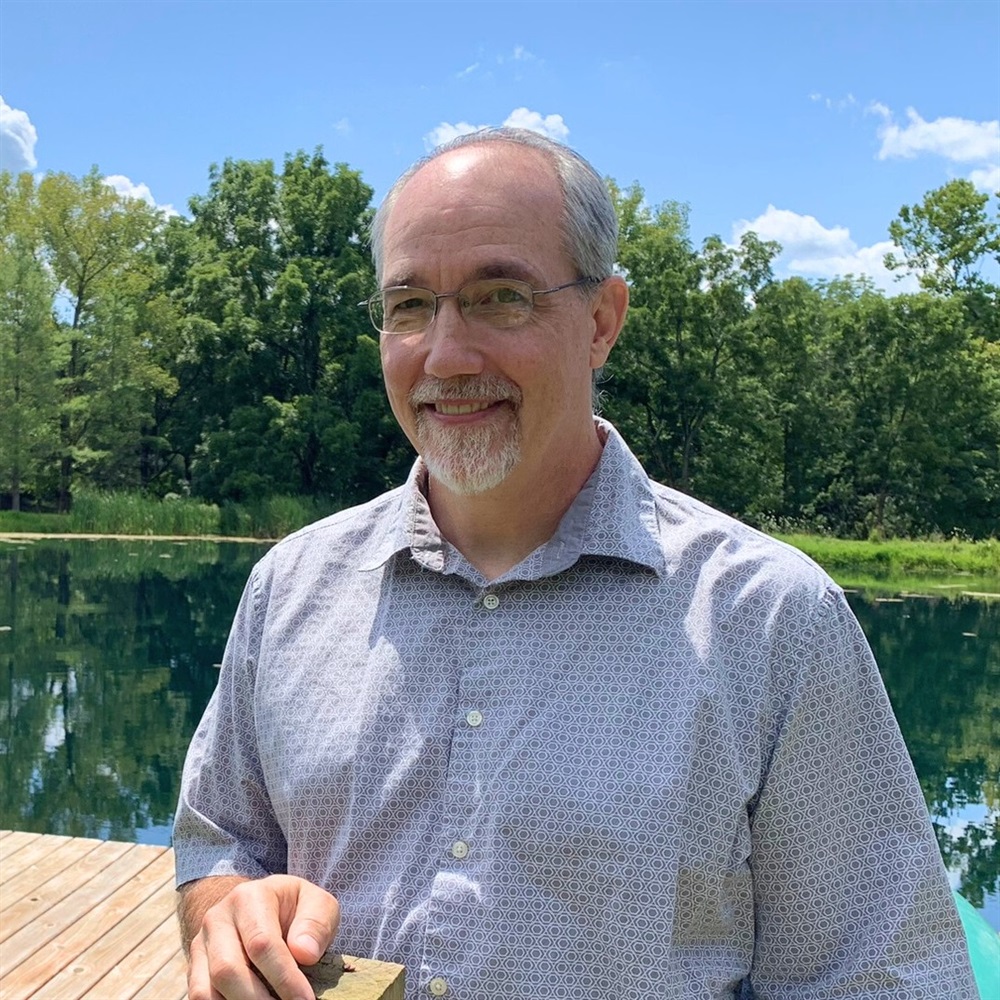
Richard Sears, PsyD, PhD, MBA, ABPP, is a licensed psychologist in Cincinnati, Ohio, board certified in clinical psychology by the American Board of Professional Psychology (ABPP), runs a private psychology and consultation practice, and is the director of the Center for Clinical Mindfulness & Meditation. He has run hundreds of mindfulness groups and was lead clinician in the first brain scan study involving mindfulness with children and adolescents. He is also an adjunct professor in the University of Cincinnati psychology department, clinical research faculty at the UC Center for Integrative Health and Wellness, volunteer professor of psychiatry & behavioral neurosciences at the UC College of Medicine, and a former research/psychologist contractor with the Cincinnati VA Medical Center.
His most recent books include ACT with Anxiety (PESI); The ACT Flip Chart (PESI); Cognitive Behavioral Therapy & Mindfulness Toolbox (PESI); Mindfulness: Living Through Challenges and Enriching Your Life in the Moment (Wiley-Blackwell); Building Competence in Mindfulness-Based Cognitive Therapy (Routledge); and Mindfulness-Based Cognitive Therapy for PTSD (Wiley-Blackwell).
Dr. Sears is a sixth-degree black belt in Ninjutsu, and once served as a personal protection agent for the Dalai Lama with his teacher, Stephen K. Hayes. He has studied Eastern Wisdom for over 40 years, receiving ordination in three traditions, and transmission as a Zen master.
Speaker Disclosures:
Financial: Dr. Richard Sears maintains a private practice and has employment relationships with the University of Cincinnati College of Medicine, the University of Cincinnati for Integrative Health and Wellness, Alliance Integrative Medicine, and Wright State University School of Professional Psychology. He receives compensation as a consultant and royalties as a published author. Dr. Sears receives a speaking honorarium, recording, and book royalties from PESI, Inc. He has no relevant financial relationships with ineligible organizations.
Non-financial: Dr. Richard Sears is a member of the Association for Contextual Behavioral Science, a diplomate of the American board of Professional Psychology, and a fellow with the Academy of the American Board of Clinical Psychology. He is a peer reviewer for Mindfulness and a book reviewer for John Wiley & Sons, Inc, and Routledge. He is the director of Center for Clinical Mindfulness and Meditation.
Text Callout Headline
Text Callout description BoxText Callout description Box Text Callout description Box Text Callout description Box Text Callout description Box

Headline Text
Featured Product Callout
Learn how to do trauma-informed, therapeutic yoga sessions in-person & online. Gain clinical tools from somatic therapy, polyvagal theory, Parts Work and more.

Quick process to streamline paperwork, overcome documentation challenges, maximize insurance payments and updated DSM-5® considerations for every disorder.

Learn powerful tools to treat early wounds, shame, and low self-worth with experts Lindsay Gibson & Kelly McDaniel.
Product Promo Cards Headline

Featured Product Cards Headline
Hubspot Form
Hubspot Description goes here.
This is the headline for the accordion block
Description
Card inner content 1
Card inner data 2
Simple View Headline
Featured Event Cards Headline
RTE Block has a lot of text so that we can see what it looks like, maybe we just want to write some stuff and see what happens?


This is a test of the blog content blocks
