Understanding Human Giver Syndrome and Its Impact on Therapists


What Is Human Giver Syndrome?
Human Giver Syndrome stems from societal expectations that certain individuals—often women—have a moral obligation to give endlessly of themselves. This includes their time, attention, emotional energy, and even their bodies. Those with Human Giver Syndrome feel compelled to be constantly:- Pretty
- Calm
- Happy
- Generous
- Attentive to others' needs
In contrast, Human Winner Syndrome is characterized by societal pressure to always appear strong, confident, and independent. While less discussed, it often creates an internal conflict when therapists (or anyone) face struggles but feel they must hide vulnerability to maintain a façade of strength.
The Antidotes to Human Giver Syndrome
Recognizing and addressing Human Giver Syndrome involves deliberate shifts in perspective and action. Here are three evidence-based antidotes to break free from this toxic pattern:1. Remember Who the Real Enemy Is. The societal systems that impose these unreasonable expectations—not the individuals trapped within them—are the true problem. By shifting blame away from ourselves or others and focusing on dismantling harmful systems, we can begin to reclaim our power.
For example, instead of resenting a colleague for pushing boundaries, recognize the cultural norms that encourage overwork and self-sacrifice.
2.Build a Bubble of Love. Surround yourself with relationships that are reciprocal, supportive, and nurturing. These are connections where both giving and receiving are valued equally. A "bubble of love" helps combat the depletion caused by interacting with people who feel entitled to take without giving back.
Ask yourself: who in your life brings joy and mutual respect? Prioritize those connections and step back from relationships that drain you.
3.Move Your Body with Others. Shared activities that combine movement and community—such as dancing, team sports, or even peaceful protests—help build resilience. These activities synchronize your body’s rhythms with others, offering a profound sense of connection and collective strength.
The journey to overcoming Human Giver Syndrome involves not just self-care but also community care. By practicing self-compassion and fostering environments that celebrate mutual support, we can challenge the cultural narratives that demand endless giving. Therapists are uniquely positioned to model these behaviors for clients and cultivate healthier dynamics in their professional and personal lives.
Breaking free from these harmful patterns isn’t just about individual well-being—it’s a collective step toward a world where everyone’s humanity is honored.


Emily Nagoski, Ph.D., has been a sex educator for twenty years and is the former inaugural Director of Wellness Education at Smith College. Her New York Times best-selling book, Come As You Are: The Surprising New Science That Will Transform Your Sex Life, has been hailed as a groundbreaking exploration of the science of sexuality. Sex therapist, Ian Kerner called it a “master class in the science of sex” and relationship researcher John Gottman said it is “an absolutely necessary guide for all couples.” She has also written three guides for Ian Kerner’s GoodInBed.com, including the “Guide to Female Orgasm,” and her own blog, The Dirty Normal.
Dr. Nagoski has a Ph.D. in health behavior with a doctoral concentration in human sexuality from Indiana University, and a master’s degree in counseling, with a clinical internship at the Kinsey Institute Sexual Health Clinic. She has taught graduate and undergraduate classes in human sexuality, relationships and communication, stress management, and sex education.
Speaker Disclosures:
Financial: Dr. Emily Nagoski is an author and receives royalties. She receives compensation as a presenter. She receives a speaking honorarium and recording royalties from Psychotherapy Networker and PESI, Inc. She has no relevant financial relationships with ineligible organizations.
Non-financial: Dr. Emily Nagoski has no relevant non-financial relationships.
Text Callout Headline
Text Callout description BoxText Callout description Box Text Callout description Box Text Callout description Box Text Callout description Box

Headline Text
Featured Product Callout
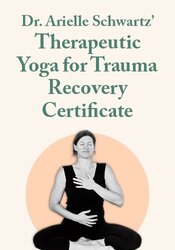
Learn how to do trauma-informed, therapeutic yoga sessions in-person & online. Gain clinical tools from somatic therapy, polyvagal theory, Parts Work and more.

Quick process to streamline paperwork, overcome documentation challenges, maximize insurance payments and updated DSM-5® considerations for every disorder.

Learn powerful tools to treat early wounds, shame, and low self-worth with experts Lindsay Gibson & Kelly McDaniel.
Product Promo Cards Headline

Featured Product Cards Headline
Hubspot Form
Hubspot Description goes here.
This is the headline for the accordion block
Description
Card inner content 1
Card inner data 2
Simple View Headline
Featured Event Cards Headline
RTE Block has a lot of text so that we can see what it looks like, maybe we just want to write some stuff and see what happens?


This is a test of the blog content blocks
