Understanding the Stress Cycle: Insights for Therapists


What Is the Stress Cycle?
The stress cycle is a physiological process our bodies undergo when faced with stressors. It begins with a trigger—anything from a looming deadline to a difficult client session—that activates our fight, flight, or freeze response. This response prepares us to deal with the perceived threat by releasing stress hormones like adrenaline and cortisol. Ideally, once the stressor is resolved, we engage in behaviors that signal to our body that we’re safe, completing the stress response cycle.However, in modern life—and particularly in therapy work—stressors often don’t resolve as neatly as escaping a charging predator. The unresolved stress accumulates, leaving us stuck mid-cycle. Over time, this can lead to burnout, physical ailments, and emotional exhaustion.
Why Completing the Stress Cycle Matters
Stress itself isn’t the enemy—it’s uncompleted stress cycles that wreak havoc on our health. Unresolved stress keeps our bodies in a heightened state, suppressing vital systems like digestion and immunity and leading to long-term damage such as cardiovascular issues or chronic pain.For therapists, this is a critical concept. Not only do we face personal stress, but we also engage deeply with clients’ emotional struggles. Without strategies to complete our own stress cycles, we risk losing the balance and well-being needed to support our clients effectively.
Strategies to Complete the Stress Cycle
- Physical Activity: Moving your body is one of the most effective ways to complete the stress cycle. This could be as simple as a brisk walk, dancing in your living room, or practicing yoga. Physical activity helps metabolize stress hormones and signals to your body that you’re no longer in danger.
- Creative Expression: Writing, painting, or even knitting can offer a powerful release for pent-up stress. These outlets provide a space to process and transform unresolved emotions.
- Connection: Engage with loved ones or your professional community. Authentic connection reminds our bodies that we’re not alone and can activate calming responses.
- Crying or Laughing: Both crying and laughing are natural ways for our bodies to release emotional tension and complete the stress response.
- Imagination and Visualization: For those unable to physically engage in stress-relief activities, visualization can be a helpful alternative. Imagining yourself overcoming stressors—whether it’s conquering a mountain or slaying metaphorical dragons—can help your body process emotions.
- Rest and Recovery: Adequate sleep and moments of intentional rest are essential. Practices like deep breathing, meditation, or simply sipping tea in silence allow your body to reset and recharge.
Stress in the Therapy Room
Therapists often face unique stressors—holding space for others’ pain, managing professional responsibilities, and navigating systemic challenges. Recognizing how these stressors impact your own stress cycle is the first step to ensuring you don’t get stuck. Consider embedding stress-cycle strategies into your daily routine and modeling these behaviors for your clients.The ultimate cure for burnout isn’t just self-care—it’s caring for each other. Building supportive professional networks and creating environments that prioritize collective well-being are essential for maintaining resilience.
By understanding and addressing the stress cycle in our own lives, we empower ourselves to be more present, effective, and compassionate in our work as therapists.


Emily Nagoski, Ph.D., has been a sex educator for twenty years and is the former inaugural Director of Wellness Education at Smith College. Her New York Times best-selling book, Come As You Are: The Surprising New Science That Will Transform Your Sex Life, has been hailed as a groundbreaking exploration of the science of sexuality. Sex therapist, Ian Kerner called it a “master class in the science of sex” and relationship researcher John Gottman said it is “an absolutely necessary guide for all couples.” She has also written three guides for Ian Kerner’s GoodInBed.com, including the “Guide to Female Orgasm,” and her own blog, The Dirty Normal.
Dr. Nagoski has a Ph.D. in health behavior with a doctoral concentration in human sexuality from Indiana University, and a master’s degree in counseling, with a clinical internship at the Kinsey Institute Sexual Health Clinic. She has taught graduate and undergraduate classes in human sexuality, relationships and communication, stress management, and sex education.
Speaker Disclosures:
Financial: Dr. Emily Nagoski is an author and receives royalties. She receives compensation as a presenter. She receives a speaking honorarium and recording royalties from Psychotherapy Networker and PESI, Inc. She has no relevant financial relationships with ineligible organizations.
Non-financial: Dr. Emily Nagoski has no relevant non-financial relationships.
Text Callout Headline
Text Callout description BoxText Callout description Box Text Callout description Box Text Callout description Box Text Callout description Box

Headline Text
Featured Product Callout
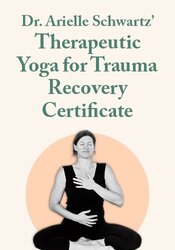
Learn how to do trauma-informed, therapeutic yoga sessions in-person & online. Gain clinical tools from somatic therapy, polyvagal theory, Parts Work and more.

Quick process to streamline paperwork, overcome documentation challenges, maximize insurance payments and updated DSM-5® considerations for every disorder.
Learn powerful tools to treat early wounds, shame, and low self-worth with experts Lindsay Gibson & Kelly McDaniel.
Product Promo Cards Headline

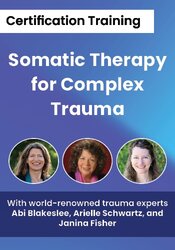
Featured Product Cards Headline
Hubspot Form
Hubspot Description goes here.
This is the headline for the accordion block
Description
Card inner content 1
Card inner data 2
Simple View Headline
Featured Event Cards Headline
RTE Block has a lot of text so that we can see what it looks like, maybe we just want to write some stuff and see what happens?


This is a test of the blog content blocks
