This program is exactly what you need to regain purpose, fulfillment, and thrive in your profession now more than ever—whether you’re already experiencing the emotional burnout of Compassion Fatigue or want to make sure you avoid it.
Exposing yourself to the trauma your clients and patients are experiencing daily can harm your physical and mental health...Leaving you feeling worn down, sleepless, burdened by the suffering of others, and dreading your next day on the job.
This is Compassion Fatigue. It’s more than being overworked, it’s trauma. And it’s a threat to the safety of your patients, your own wellbeing, your relationships, and your career.
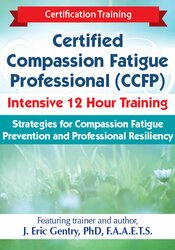
This course presents a thorough and comprehensive exploration of all things compassion fatigue: The history, causes, symptoms, treatment and prevention of compassion fatigue. Dr. Eric Gentry, trauma expert, author and trainer, will draw on his personal experience, latest research and his expertise to provide you with skills to help you—and your clients— build resiliency and optimism again. Purchase today!
And a bonus, when you complete this comprehensive training, you’ll have the education you need to become a Certified Compassion Fatigue Professional (CCFP), visit evergreencertifications.com/ccfp for more details.
Best of all, upon completion of this live training, you’ll be eligible to become a Certified Compassion Fatigue Professional (CCFP) through Evergreen Certifications. Certification lets colleagues, employers, and clients know that you’ve invested the extra time and effort necessary to understand the complexities of compassion fatigue. Professional standards apply. Visit www.evergreencertifications.com/CCFP for details.
*We partner with Evergreen Certifications to include certification with some of our products. When you purchase such a product we may disclose your information to Evergreen Certifications for purposes of providing services directly to you or to contact you regarding relevant offers.