Digital Seminar

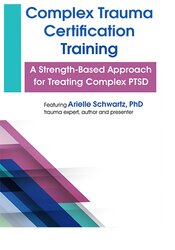
Complex Trauma Certification Training

$599.99 Standard
Also Available: DVD

Many clinicians are trained in the treatment of single traumatic events, but are not fully equipment to treat Complex PTSD. The traditional approaches to the treatment of PTSD can fall short when working with clients with Complex PTSD. Watch this workshop to learn how you can adapt your therapeutic approach to help clients diagnosed with Complex PTSD achieve more successful outcomes.

The most common question asked when treating Complex PTSD is, “where do I start?”. In this training, you will develop confidence in your ability to successfully organize and prioritize your client’s treatment goals. You will learn how to compassionately and effectively work with clients who have experienced multiple traumatic events and prolonged trauma exposure.

Successful treatment requires a compassionate therapeutic relationship and effective, research-based interventions. After this training you will learn how to:

  • Help clients move out of crisis by building stabilizing resources
  • Prepare clients to work through traumatic memories without becoming overwhelmed
  • Develop an integrative trauma treatment plan that includes CBT, DBT, EMDR Therapy, Somatic Psychology, Parts Work Therapy, and Complementary and Alternative Medicine (CAM)

Watch Dr. Arielle Schwartz, trauma expert, trainer and author of The Complex PTSD Workbook, in this engaging and interactive seminar to learn valuable strategies that will allow you to successfully address the dysregulated affect and arousal states that accompany Complex PTSD. You will leave this seminar with practical tools that facilitate a strength-based approach to trauma recovery and increased resilience in clients.

Bonus!
Become A Certified Clinical Trauma Professional Level II (CCTP-II)!

Best of all, upon completion of this live training, you’ll be eligible to become a Certified Clinical Trauma Professional Level II (CCTP-II)* through Evergreen Certifications. Certification lets colleagues, employers, and clients know that you’ve invested the extra time and effort necessary to understand the complexities of trauma counselling. Professional standards apply.
Visit www.evergreencertifications.com/CCTP2 for details.
*To earn your CCTP Level 2 Certification, you must already hold CCTP certification or evidence equivalency

Here's What You'll Learn


Post-Traumatic Stress Disorder vs. Complex PTSD: Understand the Difference

  • Acute traumatic stress, PTSD, Complex PTSD
  • Diagnostic clarification, differential diagnosis and co-morbidities
  • Key contributing factors of Complex PTSD
  • The common symptoms of Complex PTSD

The Neurobiology of PTSD: Beyond Fight and Flight

  • Polyvagal Theory
  • Stages of trauma response
  • Trauma specific psychopharmacology
  • Heart Rate Variability and the Social Nervous System
  • Interpersonal Neurobiology
  • Psychobiological regulation
  • Rupture and repair
  • Implications of childhood neglect or abuse
  • Neuroplasticity and Complex PTSD

Psychological and Physiological Repercussions of Complex PTSD: A Deeper Understanding for Accurate Assessment

  • Intrusive symptoms and anxiety
  • Emotional dysregulation: Outbursts of anger and debilitating shame
  • Avoidance symptoms and phobic reactions to traumatic material
  • Interpersonal problems and difficulty being close to others
  • Dissociation and dysregulation
  • Cognitive distortions and compromised meaning making
  • Physical health problems, ACE factors and painful somatization
  • Preverbal and nonverbal memories
  • Disturbing somatic sensations
  • Depressive symptoms
  • Learned helplessness and shame

Therapeutic Interventions for Complex PTSD: Summary of Effective Therapies

  • Psychodynamic and Relational Therapy
  • Psychobiological perspectives: Polyvagal Theory
  • Cognitive Behavioral Therapy (CBT)
  • Dialectical Behavioral Therapy (DBT)
  • EMDR Therapy
  • Somatic Psychology
  • Parts Work Therapy: Work with Ego States
  • Complementary and Alternative Medicine (CAM):
    mindfulness, yoga, and integrative healthcare

Integrative Treatment for Complex PTSD: Putting it All Together for an Effective Treatment Plan

  • A Biopsychosocial Approach: Partner with clients to build a health care team
  • Goal of treatment: Memory retrieval vs. trauma recovery
  • History taking: Identify chronic, repeated, and/or developmental trauma events
  • Cultural factors and Complex PTSD
  • Recognize attachment injuries
  • Identify parts, ego states and defenses
  • Assess for dissociation (“fragmentation”)
  • Clinical Vignette #1
  • Mutual regulation and relational repair in therapy
  • Prepare for trauma processing: Develop resources and stability
  • Working with parts of self
  • Work through traumatic memories: EMDR and Somatic Psychology
  • Clinical Vignette #2
  • Grief work in Complex PTSD
  • Integrate and Instill positive change

Experiential Interventions: Mind-Body Practices for Clients with Complex PTSD

  • Conscious breathing for self-regulation
  • Grounding and sensory awareness
  • Containment: Reclaim choice and control
  • Build imaginal allies
  • Cultivate mindfulness, acceptance, and self-compassion
  • Somatic interventions: Titration, sequencing, and somatic re-patterning
  • Bilateral stimulation and dual attention in EMDR Therapy
  • Potential risks and limitations of mind-body therapies

Special Considerations in Complex Trauma Treatment

  • Working with Preverbal and Nonverbal Memories
  • Working with transgenerational trauma
  • Somatization, Chronic Pain and illness
  • Gate Control Theory
  • Mindfulness, Yoga, and Compassion Based Interventions
  • Clinical Vignette #3

Fostering Resilience: For Post-Traumatic Growth and Healing

  • Learn the 6 Pillars of Resilience
  • Trauma recovery and the bell curve
  • Resilience as a process and an outcome
  • Help clients move from learned helplessness to learned optimism
  • Post-Traumatic Growth: Help clients reach their potential

Vicarious Trauma: Improve Client Outcomes Through Effective Self-Care

  • Identify resources that improve your clinical skills
  • In-session self-care to improve focus on the client and therapeutic process
  • Burnout prevention techniques

Clinical Vignette – Wendy

  • 56 year old woman with Hx of Bipolar Disorder, PTSD, DDNOS and Borderline traits

Trauma history of neglect, grandmother suicide, father inappropriate sexually

  • Addressing internalized negative aspects of parents
  • Goals of therapy

Integrative Approach to Trauma Reprocessing

  • Focusing and resourcing
  • Touchstone target
  • Negative and positive cognitions
  • Emotions and body sensations

Deepening the work

  • Parts work, pendulating between distress and resource, and somatic interventions

Top down and bottom up

  • Cognitive reappraisal, somatic interventions, and parts work

Somatic repatterning and reprocessing

  • Parts work, cognitive reappraisal

Integration:  A path to self-regulation

  • Parts work, somatic integration, and cognitive reappraisal

Everything You're Getting


  • More than 24 hours of video content
  • Up to 24.0 CE credits
  • Certificate of completion
  • Handouts and resources

Meet Your Experts


Arielle Schwartz, PhD, CCTP-II, E-RYT, EMDR-C

Toggle speaker biography

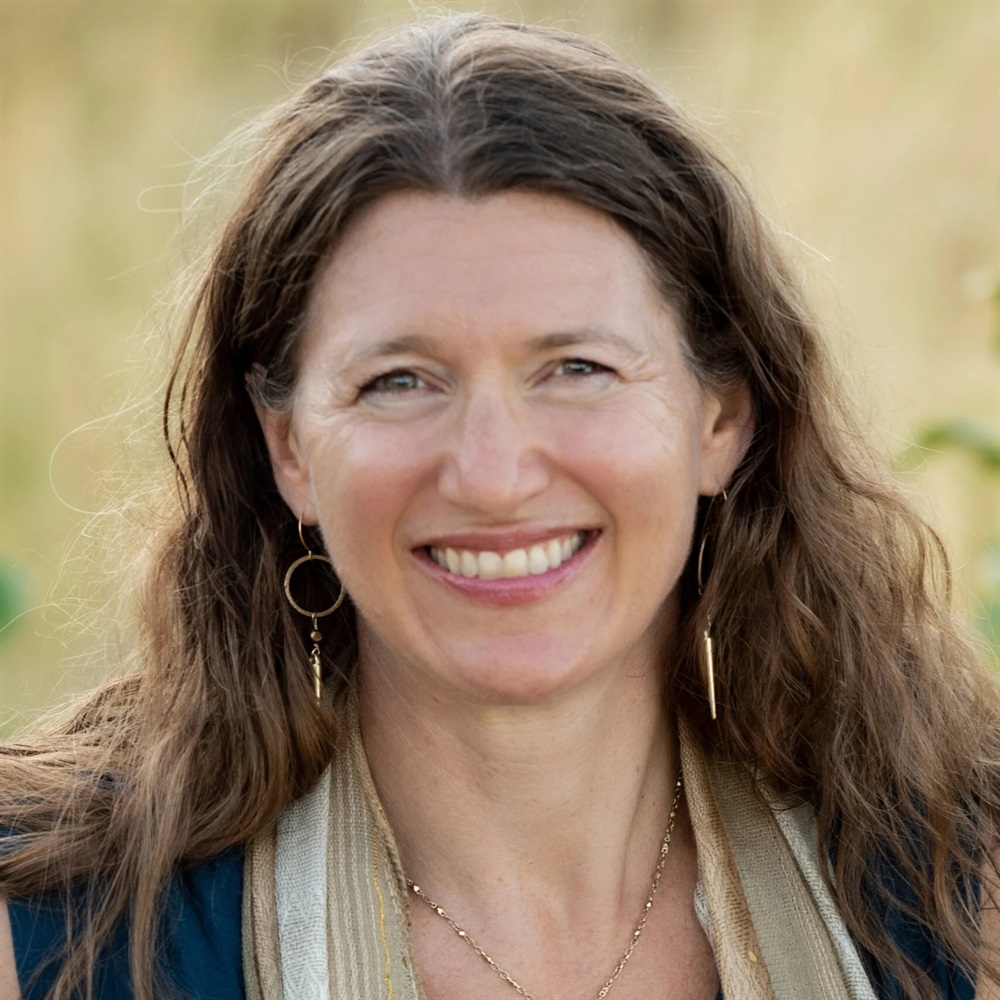
Arielle Schwartz, PhD, CCTP-II, E-RYT, EMDR-C, is a licensed clinical psychologist, certified complex trauma professional, EMDR Consultant, and Kripalu yoga teacher. She is an internationally sought-out speaker, leading voice in the field of trauma recovery, and the author of eight books including The Complex PTSD Workbook, EMDR Therapy and Somatic Psychology, The Post-Traumatic Growth Guidebook, and Applied Polyvagal Theory in Yoga.

As the founder of the Center for Resilience Informed Therapy, her work is rooted in the positive psychology movement, which is focused on enhancing resources and fostering growth. She offers an integrative, mind-body approach to therapy that includes relational therapy, somatic psychology, EMDR therapy, parts work therapy, and therapeutic yoga for trauma. Praised by Dr. Stephen Porges, Arielle specializes in applying his polyvagal theory, which focuses on addressing imbalances within the autonomic nervous system that underlie most mental and physical health conditions. Her work can be found at the Shift Network, Sounds True, Psychotherapy Networker, Embody Lab, Art of Living, Omega Institute, and more.

Speaker Disclosures:
Financial: Dr. Arielle Schwartz maintains a private practice, has an employment relationship with Integrative Psychiatry Institute and receives compensation as a yoga instructor. She receives royalties as a published author and receives compensation as an international presenter and a yoga instructor. Dr. Schwartz is a paid consultant for Evergreen Certifications. She receives speaking honorarium, recording, and book royalties from PESI, Inc. She has no relevant financial relationships with ineligible organizations.
Non-financial: Dr. Arielle Schwartz is a member of the American Psychological Association and the Yoga Alliance.

100% Satisfaction Guarantee

Register for this intensive training course without risk. If you're not completely satisfied, give us a call at 800-844-8260.

We’re that confident you'll find this learning experience to be all that's promised and more than you expected.

PESI App


Access CE trainings on your phone or tablet through our free mobile app. Choose video or audio-only versions of online courses from the world's best instructors, and complete your CE requirements anywhere, anytime, at your own pace.


Access for Self-Study (Non-Interactive)

Access never expires for this product.


For a more detailed outline that includes times or durations of time, if needed, please contact cepesi@pesi.com.

Questions?

Visit our FAQ page at www.pesi.com/faq or contact us at www.pesi.com/info

Want this training for your whole team?

Get a customized training package for your team at a discounted rate!

Claim your FREE listing


Need referrals? List your practice in the directory for FREE!


Media Type:
Digital Seminar
Also Available:
DVD
Product Code:
POS057140
Duration:
24 hours, 21 minutes
Copyright:
Nov 30, 2020
Closed Captions:
Available
Format:
Audio and Video

ADA Needs


We would be happy to accommodate your ADA needs; please call our Customer Service Department for more information at 1-800-844-8260.

Some text some message..
Back to Top