Co-occurring disorders are more the rule than the exception with clients who have substance use issues.
But the unique interplay of psychiatric disorders and substance use makes co-occurring disorders difficult to diagnose and complex to treat. In many cases, clients receive treatment for one disorder while the other remains undiagnosed and unaddressed until it’s too late.
How can you ensure that you’re seeing the whole picture and are properly prepared to provide the very best treatment for clients with multiple co-morbidities?
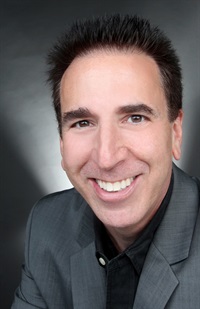
Charles Atkins, MD is a board-certified psychiatrist, member of the Yale volunteer faculty, and author of over 20 books including Co-Occurring Disorders: Integrated Assessment and Treatment of Substance Use and Mental Disorders (PESI, 2014, 2021), that is part of the core-curriculum in schools across the country.
In this comprehensive one-day training Dr. Atkins will share the skills, interventions and clinical insights he’s cultivated over three decades of work with these clients.
Watch him and discover how you can:
- Cut through the complexities to complete a thorough assessment of treatment needs
- Confidently address high-risk issues like ongoing use of fentanyl-adulterated street drugs, and dangerousness to self and others.
- Skillfully tackle stage of change and level of motivation challenges
- Write observable and measurable goals and objectives for treatment plans
- Reduce risk of relapse with individualized and whole person approaches
- Integrate substance use disorder treatment with interventions for specific diagnosis such as PTSD, depression, bipolar disorder, anxiety disorders, ADHD, and more
Best of all, Dr. Atkins will cover it all with detailed examples and real-world case studies that make the strategies he shares accessible and applicable to clinicians at every level.
These patients are already in your practice. Don’t miss this chance to enhance your skills so you can help them move with confidence into recovery and the lives they want.
Purchase today!