DVD

Trauma Treatment Certification Course

$459.99 Standard
Also Available: Digital Seminar

Like you, I’ve dealt with some major obstacles to providing effective trauma treatment during my career. How do I make the best use of the growing body of neuroscience research? How can I cut through the clutter of all the possible factors contributing to the trauma and get a clear picture of the issues to address in therapy? How can I tailor my approach to meet the unique needs of each survivor? I looked for a solution and discovered it in an integration of neuroscience, physiology, the three stages of trauma recovery, smaller ingredients taken from larger evidence-based models, and customizable treatment strategies that addressed the unique needs of trauma survivors and their families.

This certification course recording presents this integrated and customizable approach to trauma treatment in a manner that is easy to follow and readily adaptable to a variety of settings. You will discover how to use this integrated model as a foundation upon which you can then tailor and apply treatment approaches with which you are already familiar but until now seemed rigid and inflexible. You will be able to move beyond the standard script often given for when and how to apply various strategies, allowing you to focus much more intently on where the trouble spots are in each survivor’s life and what actions to take to resolve them. You will get a road map that will help you to guide each survivor through all the stages in the trauma recovery process.

Join me in this exciting, innovative, and evidence-informed recording. Finish feeling invigorated, with a new plan of action for how to use standard models and strategies in new ways to facilitate meaningful and lasting trauma recovery.

Best of all, this training meets the educational requirements when applying to become a Certified Clinical Trauma Professional (CCTP) through Evergreen Certifications. Certification lets colleagues, employers, and clients know that you’ve invested the extra time and effort necessary to understand the complexities of trauma counselling. Professional standards apply. Visit www.evergreencertifications.com/CCTP to get started!

*We partner with Evergreen Certifications to include certification with some of our products. When you purchase such a product we may disclose your information to Evergreen Certifications for purposes of providing services directly to you or to contact you regarding relevant offers.

Here's What You'll Learn


Trauma Impact: Summary of the Research
  • Definitions & concepts
  • Short term and long term effects (the ACE study)
  • The “good” and “bad” news about trauma exposure
  • Limitations of the research
Assessment and Diagnosis of Trauma
  • Assessment of trauma in children, adolescents and adults
  • Trauma- & Stressor-Related Disorders in the DSM-5
  • What’s still missing from the DSM-5®?
  • Common pitfalls in diagnosis
  • My “favorite” diagnosis & why to use it frequently
Address Trauma’s Impact on Neurobiology
  • Major areas of impact
  • The 3-part brain (or upstairs/downstairs brain)
  • Neurologically-related issues in trauma survivors
    • ”Arrested Development”
    • ”Hair Trigger” threat response
    • Cognitive, academic, & work-related problems
  • Relationship problems
  • The arousal continuum
  • Dissociation
Evidence-based Treatments vs. the “Real World”
  • What does “evidence-based” mean in trauma treatment?
  • Components of evidence-based treatments
  • The evidence-based components approach
Points of Intervention in Trauma Treatment
  • Main entry points: immediate support vs. trauma treatment
  • Psychological first aid
  • Stages of trauma-focused treatment
  • What can you do if your client isn’t emotionally or physically safe?
  • Trauma-Focused Cognitive-Behavioral Therapy: The “Gold Standard”
  • Case examples
    • ”Amanda”: 7-year-old girl with sexual abuse and complex family issues
    • ”Phil”: mid-30s man whose son died while in his care
Address Critical Domains in Trauma Treatment
  • The Physiology Domain
    • Sleep
    • Nutrition and hydration
    • Sensory needs and interventions
    • Medications, supplements, & nontraditional interventions
    • Physical activity/exercise
    • ”Amanda” and “Phil” and the physiology domain
  • The Relationship Domain
    • The Attachment, Regulation, & Competency (ARC) model (for youth)
    • Teaching caregiver emotional control (for caregivers of youth)
    • Build attunement (for caregivers of youth)
    • Positive discipline (for caregivers of youth)
    • Build the therapeutic alliance
    • Build a support network
    • Implement routines & rituals
    • ”Amanda” and the relationship/attachment domain
    • ”Phil” and the relationship domain
  • The Emotional Regulation Domain
    • Feelings identification and expression
    • Use SUDs scales
    • Grounding & self-soothing techniques
    • The “Comfort Kit”
    • Add attunement!
    • Apply Bruce Perry’s Neurosequential Model of Therapeutics™
      • NMT assessments
      • NMT: Interventions by developing age
    • ”Amanda” and “Phil” and the emotional regulation domain
  • The Cognitive Domain
    • Teach and practice problem-solving
    • Teach and practice mindfulness
    • Address distorted cognitions: Most common targets of cognitive processing
    • Cognitive processing: how to modify problematic thoughts
    • Use the Franklin Method
    • ”Amanda” and “Phil” and the Cognitive Domain
  • The Identity Domain
    • Focus on identity and sense of self
    • Build on existing strengths
    • The Life Book approach
    • Exercises to improve identity
    • ”Amanda” and “Phil” and the identity domain
Additional Components for the 3 Stages of Trauma Recovery
  • Stage One: Safety & Stabilization
    • Establish rapport
    • Education of the client about effects of trauma
    • Safety plans
    • Trauma-specific areas of focus
    • Sexual abuse for “Amanda”
    • Triggers for “Phil”
  • Stage Two: Process the Past Trauma
    • Preparation
    • Create the trauma narrative
      • Play and verbal-based methods of creating the trauma narrative
      • Process of constructing a trauma narrative
    • When is your client finished with Stage Two?
    • Process “Amanda’s” trauma (play therapy “narrative”)
    • Process “Phil’s” trauma (verbal narrative)
  • Stage Three: Reconnection:
    • Consolidate/internalize coping skills
    • Enhance positive emotions
    • Making meaning of the trauma
    • Facilitate reconnection to daily activities
    • Enhance current relationships
    • Prepare for future safety and triggers
    • Posttraumatic growth
    • Reconnection for “Amanda” and “Phil”
Resiliency and Protective Factors
  • Research on resiliency and protective factors
  • The top protective factors for trauma
  • Build resiliency

Everything You're Getting


  • More than 12 hours of content
  • CE information to come
  • Handouts and resources

We Recommend


This Item

Will be added to the cart.
Trauma Treatment Certification Course
DVD
$459.99

Meet Your Experts


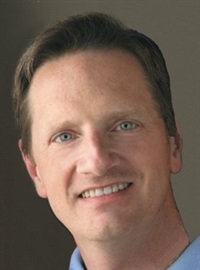
Robert Lusk, PhD

Toggle speaker biography

Robert Lusk, PhD, has devoted his career to working with trauma survivors and their families, and providing training and consultation to parents, military families, and professionals on trauma-related issues, parenting special needs children, attachment disorders, psychotropic medications, reintegration after deployment, and psychiatric disorders. For the past 26 years, Dr. Lusk has served as clinical director at The Baby Fold. There, he designs and implements new programs, and provides clinical supervision, consultation and oversight to all the agency’s treatment programs.

Dr. Lusk completed a full-time internship at the Brentwood Veterans Administration Medical Center in Los Angeles, where he focused on PTSD treatment for combat veterans. He has continued to provide supervision, training, and treatment for veterans and other adult trauma survivors for the past 30 years.

Dr. Lusk also instructs courses at Illinois Wesleyan University and has been actively involved in investigative research on trauma for over 30 years, including studies of treatment approach efficacy and cognitive and school-related effects of trauma. He has published several journal articles and book chapters on understanding and treating trauma.

Dr. Lusk earned his Master’s and Doctoral degrees in clinical psychology from the University of California at Los Angeles and has trained in a variety of interventions including Trauma-Focused Cognitive Behavioral Therapy, the Attachment, Regulation, and Competency (ARC) model, Collaborative Problem-Solving, couples and family therapy, Trust-Based Relational Intervention, and Eye Movement Desensitization and Reprocessing (EMDR).


Speaker Disclosures:
Financial: Dr. Robert Lusk maintains a private practice and has an employment relationship with Illinois Wesleyan University. He is a consultant for The Baby Fold. Dr. Lusk receives a speaking honorarium and recording royalties from PESI, Inc. He has no relevant financial relationships with ineligible organizations.
Non-financial: Dr. Robert Lusk is a member of the American Psychological Association. He serves on the ABC Counseling Board of Directors.

100% Satisfaction Guarantee

Register for this intensive training course without risk. If you're not completely satisfied, give us a call at 800-844-8260.

We’re that confident you'll find this learning experience to be all that's promised and more than you expected.

PESI App


Access CE trainings on your phone or tablet through our free mobile app. Choose video or audio-only versions of online courses from the world's best instructors, and complete your CE requirements anywhere, anytime, at your own pace.


Access for Self-Study (Non-Interactive)

Access never expires for this product.


For a more detailed outline that includes times or durations of time, if needed, please contact cepesi@pesi.com. 

Questions?

Visit our FAQ page at www.pesi.com/faq or contact us at www.pesi.com/info

Want this training for your whole team?

Get a customized training package for your team at a discounted rate!


Media Type:
DVD
Also Available:
Digital Seminar
Product Code:
RNV054340
Duration:
12 hours, 48 minutes
Copyright:
Aug 24, 2020
Publisher:
PESI Inc.

ADA Needs


We would be happy to accommodate your ADA needs; please call our Customer Service Department for more information at 1-800-844-8260.

Some text some message..
Back to Top