Shame. Fear. Denial. Accessibility.
These are obstacles that people face when seeking help for substance use disorders. Each obstacle is a threat to recovery that can keep treatment dropout rates high and success rates low.
You can remove some of the biggest barriers to substance use treatment by offering telehealth as a treatment lifeline to clients fighting for their lives!
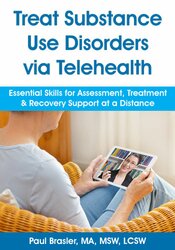
This training will show you how you can provide effective, HIPAA-compliant substance use treatment via telehealth so you can expand accessibility, improve client retention and engagement, and provide a treatment space for those who feel uncomfortable coming to a physical office.
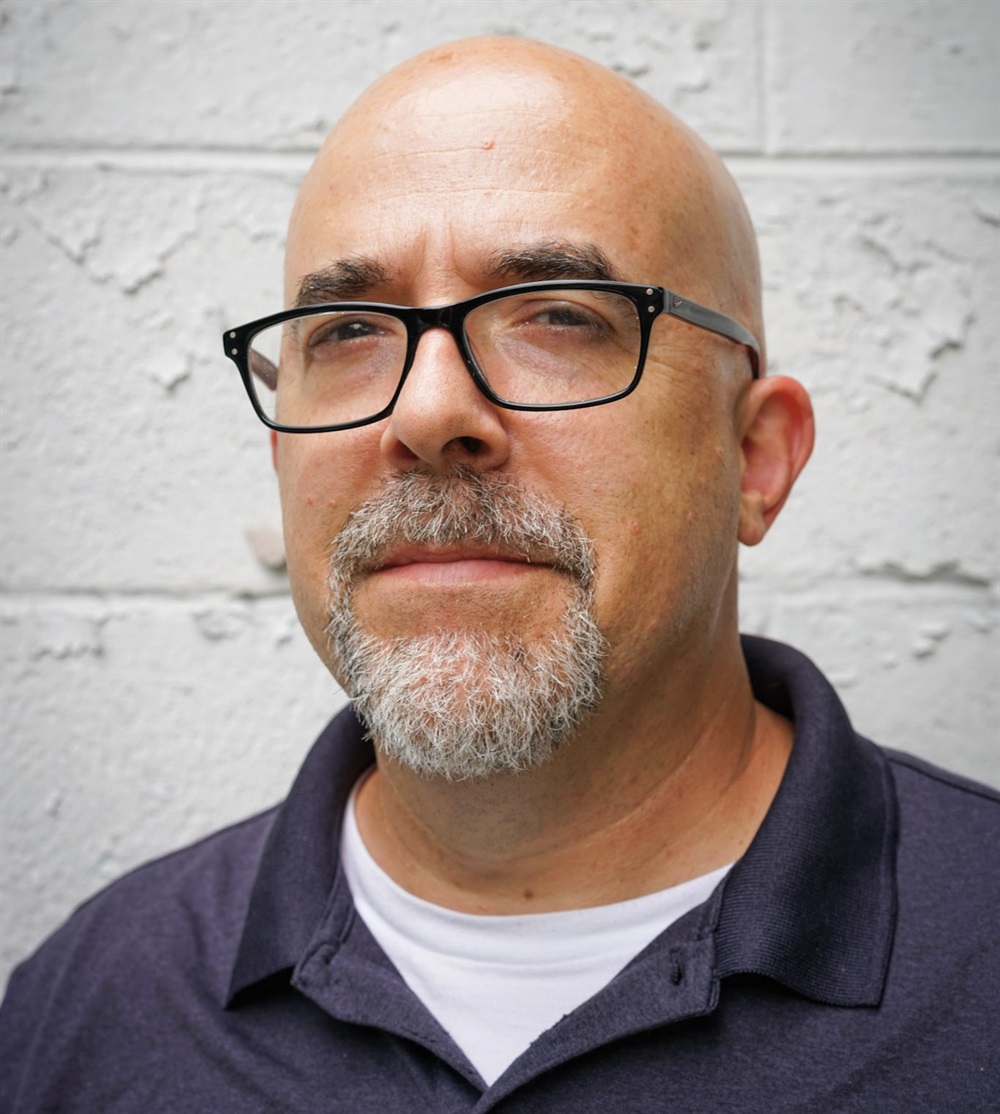
Join addictions treatment expert, speaker, and author Paul Brasler, MA, MSW, LCSW, and he’ll provide you with the skills you need to:
- Navigate privacy & informed consent issues unique to telehealth
- Remotely address safety concerns
- Screen & assess for drug use at a distance
- Deliver trauma-informed treatment interventions
- Boost client engagement, even when you’re not in the same room
- Tailor proven treatment strategies for virtual delivery
- Apply your skills to virtual group sessions
Telehealth will continue to grow and become a more integral component of addiction treatment.
Don’t wait to add this valuable treatment format to your work! Set up your clients for recovery success!