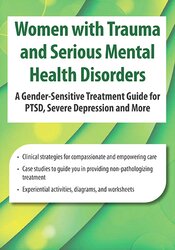
Women’s treatment needs are impacted by gender differences.
And in women with serious mental health conditions (PTSD, major depression, bipolar disorder, schizophrenia) traumatic experiences tied to gender and power differentials are often a major component in the development and presentation of their symptoms. From motherhood and family relationships to sexual, racial, ethnic, class, work and religion, these differences encompass every facet of female identity.
But traditional mental health models and training neglect to account for the impacts of female clients intersecting identities on treatment. Clinicians are left struggling to get results, lacking the tools to treat this population in a non-pathologizing way.
How can you provide compassionate care that empowers these women in treatment?
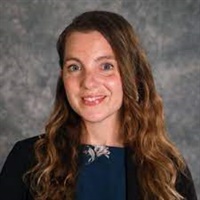
Drs. Lauren Mizock and Erika Carr are the authors of Women with Serious Mental Illness: Gender-Sensitive and Recovery-Oriented Care (Oxford University Press, 2021) and co-chairs of the American Psychological Association’s Task Force for Women with Serious Mental Illness.
Watch them for this groundbreaking one-day program as they provide you with a gendersensitive therapy approach so you can more successfully address the issues impacting the treatment of women with mental health issues.
In just one day you’ll get:
- Practical clinical strategies to meet women’s specific treatment needs
- Tips on drawing from women’s strengths to overcome mental health challenges
- Case narratives for easy to follow application
- Tools that enhance daily functioning and self-determination
- Guidance on empowering women on the complex paths to recovery
Don’t miss this one of a kind training!
Purchase today!