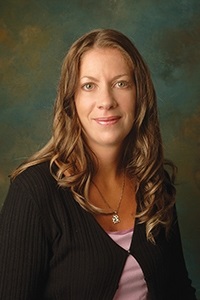

Eboni Webb, PsyD, HSP
Toggle speaker biography
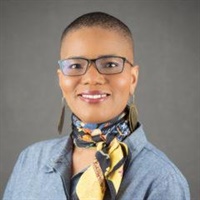
Eboni Webb, PsyD, HSP, opened the private practice Kairos in Middle Tennessee in July 2010. Kairos, now The Village of Kairos, offers diverse DBT specializations including DBT or trauma-based disorders and co-occurring disorders. The Village of Kairos has expanded therapy programs, better known as Restorative Services, to include individual and group therapy sessions for adolescents, parents, families, and adults, including in-the-moment coaching for patients.
Dr. Webb earned her Doctor of Clinical Psychology from the Minnesota School of Professional Psychology. Dr. Webb began her clinical work as assistant clinical director and program director at Mental Health Systems in Minnesota, a large clinic specializing in Dialectical Behavior Therapy (DBT). She has extensively practiced DBT, developing two special treatment programs for clients with developmental disabilities and borderline-intellectual functioning.
Dr. Webb has completed Level II training and is currently in the process of completing her board certification in Sensorimotor Psychotherapy as an Advanced Certified Practitioner, which has become a prominent feature of therapy offerings in the Village.
Speaker Disclosures:
Financial: Dr. Eboni Webb maintains a private practice, has employment relationship with WebbJam Consulting, LLC, Acacia Therapy and Health Training, and Jack Hirose and Associates, Inc. She receives royalties as a published author. Dr. Webb receives a speaking honorarium and recording royalties from PESI, Inc. She has no relevant financial relationships with ineligible organizations.
Non-financial: Dr. Eboni Webb is a board member for Nashville Psychotherapy Institute.