Divorce, family breakdown, violence in society and the media, has produced a “shell shocked” generation of kids suffering from anxiety!
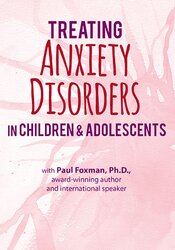
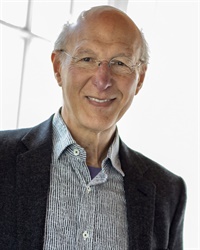
Watch anxiety expert and author, Dr. Paul Foxman, who will demonstrate how you can “connect” with anxious children and inspire them to practice new self-regulation skills. You will learn how to help parents (“bulldozers”, “helicopters” and “snowplows”) and schools to gain confidence, gratification and success in helping their most anxious kids.
To increase your effectiveness with the various manifestations of child anxiety, Dr. Foxman will address each of the following disorders with case examples and clinical vignettes:
- Separation Anxiety Disorder
- Panic Disorder
- Generalized Anxiety Disorder
- Obsessive-compulsive disorders (including skin picking and hair pulling)
- Social Anxiety Disorder/Selective Mutism
- Specific phobias
- Trauma- and Stressor-related disorders
Emphasis will be on creative psychotherapy involving insight-oriented, cognitive-behavioral, biological, mindfulness, and family systems interventions.
CERTIFICATION MADE SIMPLE!
- No hidden fees – PESI pays for your application fee (a $99.99 value)!
- Simply complete this seminar and the post-event evaluation included in this training, and your application to be a Certified Child & Adolescent Anxiety Treatment Professional through Evergreen Certifications is complete.*
Attendees will receive electronic documentation of CCATP-CA certification from Evergreen Certifications 4 to 6 weeks following the program. Professional standards apply. Visit evergreencertifications.com for answers to frequently asked questions.