Lizette Cloete, OTR/L CADDCT, CDP
Toggle speaker biography
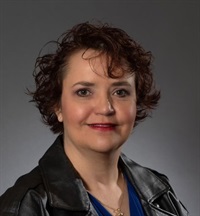
Lizette Cloete, OTR/L CADDCT, CDP, is a Skills2Care occupational therapist, who graduated from the University of Pretoria (South Africa) in 1992. Recently, she and her husband moved to Greenville, SC, to be closer to her parents, who both are aging with cognitive impairment. Her primary goal is to help her parents age in place.
With an international educational background and upbringing, Lizette brings a unique perspective to the table, incorporating her Occupational Therapy training from South Africa with her 30 years of experience in caring for people with dementia in the USA.
In 2020, Lizette established her company, Think Different Dementia, LLC with the goal of helping families committed to keeping their loved one with dementia at home, do so without sacrificing their own lives, health or relationships.
Lizette has been a frequent guest lecturer on various dementia-related topics at various state-level conferences over the past decade. She has been a guest on numerous podcasts and interviewed for the newspaper, educating people on dementia and dementia care. She is a Certified Alzheimer’s Disease and Dementia Care Trainer (CADDCT) and Certified Dementia Practitioner (CDP) through the National Council of Certified Dementia Practitioners (NCCDP). She volunteers as an Alzheimer’s Association Advocate for South Carolina, working towards advocacy for legislation to benefit people with dementia.
In 2020, using her clinical observation skills and evidence-based practice, Lizette developed an easy-to-use framework through which to view how to care for people with dementia, providing formal-care partners a systematic way to problem solve common dementia-related behaviors, called Dementia Made Simple.
Lizette thrives by helping families who are committed to keeping their loved one with dementia at home, while supporting them in this oftentimes difficult journey. For more information, visit her YouTube channel called Think Different Dementia or her website www.thinkdifferentdementia.com
Speaker Disclosures:
Financial: Lizette Cloete is the founder and CEO of Think Different Dementia, LLC. and has an employment relationship with Self Regional Medical Center. She receives a speaking honorarium from PESI, Inc. She has no relevant financial relationships with ineligible organizations.
Non-financial: Lizette Cloete has a parent with dementia.