When children and adolescents are exposed to trauma it affects everyone in the family.
And without addressing the entire family system in treatment, the progress you make in sessions can quickly evaporate when kids and teens leave your office and return to the dysfunctional and negative patterns of their home life.
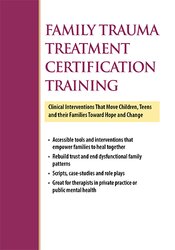
Now with this new comprehensive 2-day certification training you can go beyond individual therapy and get an accessible roadmap for integrating the entire family into trauma treatment for results that last.
Full of ready to use tools, specific clinical interventions and expert practice tips, you’ll finish this training feeling ready and capable to empower families to work together and heal!
When you register you’ll get everything you need to:
- Skillfully get parents and caregivers on board with being part of treatment
- Establish the physical and emotional safety necessary for effective therapy
- Make and maintain progress by teaching caregivers to respond to trauma driven behaviors
- Overcome the defenses, deflections and frustrations that can keep families from healing growth
- Help families improve communication, set healthy boundaries and rebuild trust
- And much more!
Best of all, you can add a valuable certification to your resume and become a Certified Family Trauma Professional (CFTP) through Evergreen Certifications upon completion of this training at no additional cost to you!
Don’t miss this chance to bring greater healing and lasting positive change to your young clients without the frustrations of lost progress when they head home.
Purchase today!
CERTIFICATION MADE SIMPLE!
- No hidden fees – PESI pays for your application fee (a $149 value)*!
- Simply complete this seminar and the post-event evaluation included in this training, and your application to be a Certified Family Trauma Professional through Evergreen Certifications is complete.*
Attendees will receive documentation of CFTP designation from Evergreen Certifications 4 to 6 weeks following the program.
*Professional standards apply. Visit www.evergreencertifications.com/CFTP for professional requirements.