
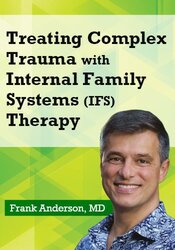
2-Day Intensive Workshop: Treating Complex Trauma with Internal Family Systems (IFS) Therapy
- Speaker:
- Frank Anderson, MD
- Duration:
- 12 Hours 31 Minutes
- Format:
- Audio and Video
- Copyright:
-
Sep 10, 2020
- Product Code:
- POS053540
- Media Type:
- Digital Seminar
Description
Most modes of psychotherapy believe that having “parts” is pathological, but in IFS therapy, the idea of multiplicity of the mind is normal. Every part has a good intention, and every part has value. Even for trauma survivors.
In the treatment of trauma, IFS therapy is different from traditional phase-oriented treatments. Instead of starting with building resources in clients before processing traumatic memories, it welcomes extreme symptoms from the onset, learns about their positive protective intentions and gets their permission to access the traumatic wounds.
Hailed by Dr. van der Kolk, the world’s leading expert in trauma, IFS therapy is the treatment method that all clinicians should know. Nearly all clients with a trauma history have innate abilities that help them improve their mental health if they listen to their parts.
Watch IFS therapy and trauma expert Frank Anderson, MD, in this transformational workshop. Once you see it in action, you’ll want to incorporate it into your practice.
Clients will leave your office with skills to use outside the therapy room to help them master their emotions. This experiential workshop will show video demonstrations and include exercises and meditation techniques to use with your clients.
This product is not endorsed by, sponsored by, or affiliated with the IFS Institute and does not qualify for IFS Institute credits or certification.
Credit
NOTE: Tuition includes one free CE Certificate (participant will be able to print the certificate of completion after completing the on-line post-test (80% passing score) and completing the evaluation).
Continuing Education Information: Listed below are the continuing education credit(s) currently available for this non-interactive self-study package. Please note, your state licensing board dictates whether self-study is an acceptable form of continuing education, as well as which credit types are acceptable for continuing education hours. Please refer to your state rules and regulations. If your profession is not listed, please contact your licensing board to determine your continuing education requirements and check for reciprocal approval. For other credit inquiries not specified below, please contact cepesi@pesi.com or 800-844-8260 before the event.
Materials that are included in this course may include interventions and modalities that are beyond the authorized practice of your profession. As a licensed professional, you are responsible for reviewing the scope of practice, including activities that are defined in law as beyond the boundaries of practice in accordance with and in compliance with your profession's standards.
This self-study activity consists of 12.5 clock hours of continuing education instruction. Credit requirements and approvals vary per state board regulations. Please save the course outline, the certificate of completion you receive from the activity and contact your state board or organization to determine specific filing requirements.
PESI, Inc. is an approved provider with the Florida Board of Clinical Social Work, Marriage and Family Therapy and Mental Health Counseling. Provider Number 50-399. This self-study course qualifies for 12.5 continuing education credits.
The Montana Board of Behavioral Health no longer pre-approves any courses or sponsors. Each licensee is responsible for taking courses which contribute to their competence and directly relate to their scope of practice as defined in board statute (MAR 24-219-32). Licensees must keep CE documentation for three years in case of an audit. This intermediate level self-study activity consists of 12.5 clock hours of instruction.
PESI, Inc. is an approved CEU provider with the State of Nevada Board of Examiners for Marriage and Family Therapists and Clinical Professional Counselors. This self-study activity qualifies for 12.5 contact hours. Approved Provider # NVCEP2006.
PESI, Inc. is recognized by the New York State Education Department's (NYSED) State Board for Mental Health Practitioners as an approved provider of continuing education for Licensed Mental Health Counselors. #MHC-0033. This self-study activity will qualify for 15.0 contact hours. Full attendance is required; no partial credits will be offered for partial attendance.
PESI, Inc. is an approved provider with the State of Ohio Counselor, Social Worker and Marriage & Family Therapist Board. Provider approval #:RCST071001. Full attendance in this self-study course meets the qualifications for 12.5 clock hours of continuing education credit.
This self-study program has been approved for 12.5 continuing education hours by the South Carolina Board of Examiners for Licensure of Professional Counselors, Marriage and Family Therapists, and Psycho-Educational Specialists. Provider #4540.
This self-study activity consists of 12.5 clock hours of continuing education instruction. Texas State Board of Examiners of Professional Counselors no longer approves programs or providers. PESI activities meet the continuing education requirements as listed in Title 22 Texas Administrative Code, Chapter 681, Subchapter J, Section 681.142 Acceptable Continuing Education. Please retain the certificate of completion that you receive and use as proof of completion when required.
PESI, Inc. is an approved provider with the Colorado Chapter of the National Association of Social Workers. Provider #1413. This self-study course has been approved for 12.5 continuing education hours.
COLORADO PARTICIPANTS ONLY: If you did not answer YES to be reported to the Colorado Chapter of the NASW on the evaluation, please contact cepesi@pesi.com and provide the full title of the webcast, speaker name, date of live broadcast, your name and your license number in the email.
PESI, Inc. is an approved provider with the Florida Board of Clinical Social Work, Marriage and Family Therapy and Mental Health Counseling. Provider Number 50-399. This self-study course qualifies for 12.5 continuing education credits.
PESI, Inc. is an approved provider with the State of Illinois, Department of Financial and Professional Regulation, Division of Professional Regulation. License #: 159-000154. Successful completion of this self-study activity qualifies for 12.5 contact hours.
PESI, Inc. is an approved provider with the Kansas Behavioral Sciences Regulatory Board. Provider #14-006. This self-study course has been approved for 12.5 continuing education hours.
PESI, Inc. is an approved provider with the State of Minnesota, Board of Social Work. Provider #: CEP-140. This self-study package has been approved for 12.5 continuing education hours. This certificate has been issued upon successful completion of a post-test.
The Montana Board of Behavioral Health no longer pre-approves any courses or sponsors. Each licensee is responsible for taking courses which contribute to their competence and directly relate to their scope of practice as defined in board statute (MAR 24-219-32). Licensees must keep CE documentation for three years in case of an audit. This intermediate level self-study activity consists of 12.5 clock hours of instruction.
PESI, Inc. is recognized by the New York State Education Department's (NYSED) State Board for Social Work as an approved provider of continuing education for licensed social workers #SW-0008. This self-study activity will qualify for 15.0 contact hours. Full attendance is required; no partial credits will be offered for partial attendance.
PESI, Inc. is an approved provider with the State of Ohio Counselor, Social Worker and Marriage & Family Therapist Board. Provider approval #:RCST071001. Full attendance in this self-study course meets the qualifications for 12.5 clock hours of continuing education credit.
PESI, Inc. is approved by the Canadian Psychological Association to offer continuing education for psychologists. PESI, Inc. maintains responsibility for the program. This program is approved for 12.5 self-study continuing education hours. Full credit statement at: www.pesi.com/cpa-statement

PESI, Inc., is an approved provider with the Florida Board of Psychology.Provider Number #50-399.This product qualifies for 12.6 self-study continuing education credits.
PESI, Inc is an approved provider with the State of Illinois, Department of Professional Regulation. License #: 268.000102. Full attendance at this self-study course qualifies for 12.5 contact hours.
PESI, Inc. is approved by the Kentucky Board of Examiners of Psychology to offer continuing education for psychologists, approved provider #202411I. PESI maintains responsibility for this program and its content. This self-study activity will qualify for 12.5 contact hours.
PESI, Inc. is recognized by the New York State Education Department's (NYSED) State Board for Psychology as an approved provider of continuing education for licensed psychologists #PSY-0014. This self-study activity will qualify for 15.0 contact hours. Full attendance is required; no partial credits will be offered for partial attendance.
PESI, Inc. is approved by the Ohio Psychological Association, Provider #263896894, to sponsor continuing education for psychologists. PESI, Inc. maintains responsibility for this program and its content. PESI is offering this self-study activity for 12.5 Standard hours of continuing education credit.
PESI, Inc. is approved by the Pennsylvania State Board of Psychology to offer continuing education for psychologists. Provider #PSY000211. PESI maintains responsibility for the program(s). This self-study program qualifies for 12.5 continuing education hours.
This self-study activity consists of 12.5 clock hours of continuing education instruction. Credit requirements and approvals vary per state board regulations. Please save this course outline, the certificate of completion you receive from this self-study activity and contact your state board or organization to determine specific filing requirements.
PESI, Inc. is an approved provider with the Florida Board of Clinical Social Work, Marriage and Family Therapy and Mental Health Counseling. Provider Number 50-399. This self-study course qualifies for 12.5 continuing education credits.
PESI, Inc. has been approved as a provider of continuing education by the State of Illinois, Department of Professional Regulation. Provider #:168-000156. Full attendance at this self-study activity qualifies for 12.5 credits.
The Montana Board of Behavioral Health no longer pre-approves any courses or sponsors. Each licensee is responsible for taking courses which contribute to their competence and directly relate to their scope of practice as defined in board statute (MAR 24-219-32). Licensees must keep CE documentation for three years in case of an audit. This intermediate level self-study activity consists of 12.5 clock hours of instruction.
PESI, Inc. is an approved CEU provider with the State of Nevada Board of Examiners for Marriage and Family Therapists and Clinical Professional Counselors. This self-study activity qualifies for 12.5 contact hours. Approved Provider # NVCEP2006.
PESI, Inc. is recognized by the New York State Education Department's (NYSED) State Board for Mental Health Practitioners as an approved provider of continuing education for Licensed Marriage and Family Therapists. #MFT-0024. This self-study activity will qualify for 15.0 contact hours. Full attendance is required; no partial credits will be offered for partial attendance.
PESI, Inc. is an approved provider with the State of Ohio Counselor, Social Worker and Marriage & Family Therapist Board. Provider approval #:RCST071001. Full attendance in this self-study course meets the qualifications for 12.5 clock hours of continuing education credit.
This self-study program has been approved for 12.5 continuing education hours by the South Carolina Board of Examiners for Licensure of Professional Counselors, Marriage and Family Therapists, and Psycho-Educational Specialists. Provider #4540.
This self-study activity consists of 12.5 clock hours of continuing education instruction. Texas State Board of Examiners of Marriage and Family Therapists no longer approves programs or providers. PESI activities meet the continuing education requirements as listed in Title 22 of the Texas Administrative Code, Chapter 801, Subchapter K, Section 801.264 Types of Acceptable Continuing Education. Please retain the certificate of completion that you receive and use as proof of completion when required.
PESI, Inc. is an approved provider by the CADTP, Provider #: 201. This Category H activity meets the qualifications for 12.5 CEUs (continuing education hours).
Provider #120924. This course has been approved as a CCB approved training and has been awarded 12.5 hours by the Connecticut Certification Board.
This self-study course has been approved by PESI, Inc., as a NAADAC Approved Education Provider, for 12.0 CE in the Counseling Services skill group(s). NAADAC Provider #77553. PESI, Inc. is responsible for all aspects of their programming. Full attendance is required; no partial credit will be awarded for partial attendance.
PESI, Inc. is an Oklahoma Board of Licensed Alcohol and Drug Counselors approved provider #20250032. This self-study activity consists of 12.5 clock hours of continuing education instruction.
PESI, Inc. is a provider approved by the California Board of Registered Nursing, Provider #: 17118 for 12.5 self-study contact hours.
** You will need to provide your license number to PESI. PESI must have this number on file in order for your hours to be valid.
PESI, Inc. is an approved provider by the Florida Board of Nursing. Provider #: FBN2858. These materials qualify for 12.5 self-study contact hours.

PESI, Inc. is an approved provider by the Iowa Board of Nursing. Provider #: 346. Nurses successfully completing these self-study materials will earn 12.6 self-study contact hours. Please email cepesi@pesi.com with your license number, include the title, speaker name and date. PESI must have this number on file in order for your hours to be valid.
This self-study activity qualifies for 12.5 continuing education clock hours as required by many national, state and local licensing boards and professional organizations. Save your activity advertisement and certificate of completion, and contact your own board or organization for specific requirements.
Handouts/Brochure
| File type | File name | Number of pages | |
|---|---|---|---|
| Manual - 2-Day Treating Complex Trauma with IFS (2.57 MB) | 70 Pages | Available after Purchase | |
| Manual - 2-Day Treating Complex Trauma with IFS - French (2.57 MB) | 70 Pages | Available after Purchase | |
| Manual - 2-Day Treating Complex Trauma with IFS - Italian (2.57 MB) | 70 Pages | Available after Purchase | |
| Manual - 2-Day Treating Complex Trauma with IFS - German (2.57 MB) | 70 Pages | Available after Purchase | |
| Manual - 2-Day Treating Complex Trauma with IFS - Spanish (2.57 MB) | 70 Pages | Available after Purchase |
Speaker
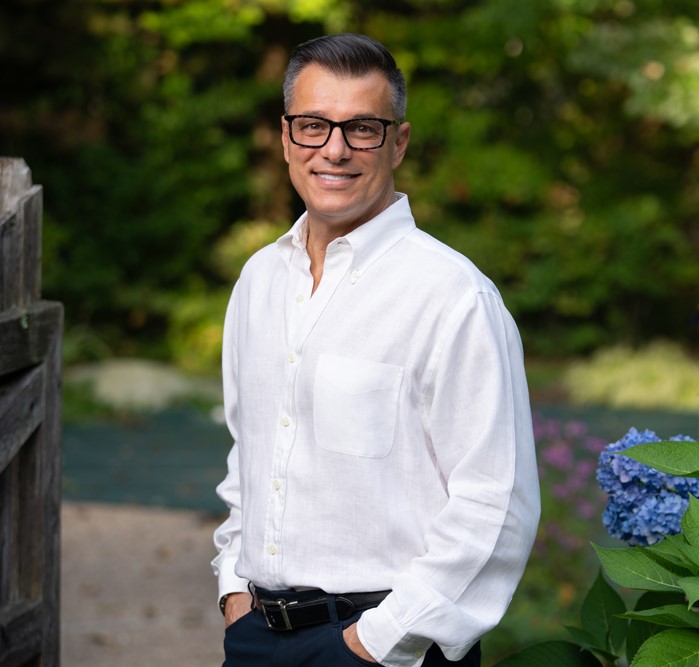
Frank Anderson, MD Related seminars and products
Frank Anderson, MD, completed his residency and was a clinical instructor in psychiatry at Harvard Medical School. He is both a psychiatrist and psychotherapist. He specializes in the treatment of trauma and dissociation and is passionate about teaching brain-based psychotherapy and integrating current neuroscience knowledge with the IFS model of therapy.
Dr. Anderson has lectured extensively on the Neurobiology of PTSD and Dissociation and wrote the chapter “Who’s Taking What” Connecting Neuroscience, Psychopharmacology and Internal Family Systems for Trauma in Internal Family Systems Therapy – New Dimensions. He co-authored a chapter on What IFS Brings to Trauma Treatment in Innovations and Elaborations in Internal Family Systems Therapy, and recently co-authored Internal Family Systems Skills Training Manual.
His most recent book, entitled Transcending Trauma: Healing Complex PTSD with Internal Family Systems was released on May 19, 2021.
His memoir, To Be Loved, was released on May 7, 2024.
Speaker Disclosures:
Financial: Dr. Frank Anderson maintains a private practice, is the co-founder of the Trauma Institute, and is the co-founding producer of Trauma Informed Media. He receives royalties as a published author. He receives a speaking honorarium, recording, and book royalties from PESI, Inc. He has no relevant financial relationships with ineligible organizations.
Non-financial: Dr. Frank Anderson is a member of the New England Society Studying Trauma and Dissociation and the International Society for the Study of Trauma and Dissociation.
Additional Info
Access for Self-Study (Non-Interactive)Access never expires for this product.
Questions?
Visit our FAQ page at www.pesi.com/faq or contact us at www.pesi.com/info
Please Note
This product is not endorsed by, sponsored by, or affiliated with the IFS Institute and does not qualify for IFS Institute credits or certification.
Objectives
- Integrate the IFS model into your clinical practice and accelerate the healing from complex trauma.
- Analyze the protective parts of clients with trauma histories to help with assessment and treatment planning.
- Apply an alternative view of symptoms and psychopathology, showing how client’s parts are actually trying to protect them from emotional pain and psychological pain.
- Demonstrate how IFS translates common comorbidities into parts language, showing a non-pathological perspective of mental health disorders.
- Communicate how IFS increases the therapist’s curious and compassionate self when working with clients who have trauma histories.
- Differentiate a therapeutic issue from a biological condition for better decision making in your clinical practice.
- Evaluate traditional attachment theory perspectives on healing to the IFS view (an internal attachment model) and learn to trust the clients’ internal relationship to heal their traumatic wounds.
- Determine if trauma symptoms are rooted in sympathetic activation or parasympathetic withdrawal to help inform the treatment process.
- Demonstrate IFS specific therapeutic techniques that shift arousal and withdrawal, allowing quicker access to clients’ traumatic vulnerabilities.
- Develop a deep understanding of how neuroscience informs therapeutic decisions in IFS therapy.
- Integrate IFS with your current treatment approaches including EMDR, DBT, and Sensorimotor Psychotherapy.
- Differentiate IFS to traditional phase-oriented treatment and learn accelerated ways of accessing and healing traumatic wounds.
Outline
Treating the Various Types of Trauma- Acute trauma
- PTSD
- Complex or relational trauma
- Developmental and attachment traumas
- Extreme or dissociative trauma
- The origins, goals & assumptions
- A non-pathologizing, accelerated approach, rooted in neuroscience
- Different from phase-oriented treatment
- The importance of our protective responses
- Deal with emotional overwhelm head-on
- Multiplicity of the mind – we all have parts
- Healing at the cellular level
- Study limitations: small sample size, no control group
- Clinical considerations for clients experiencing abuse
- Depression, panic attacks, substance abuse, eating disorders, ADD and OCD
- A non-pathological approach
- Comorbidities as protective responses to trauma
- Symptoms as “parts of the self”
- Intersection of biology and situation (“Real Mind-Body Medicine”)
- Therapist’s role in biology – When to refer and when to work it through
- Psychotherapy of psychopharmacology
Step 1: Identify the Target Symptom
- Identify the “target symptom”
- Apply meditation practices
- Separate the person (self) from the symptom
- Learn about its intention
- Move from defensiveness to curiosity
- The “Self” of the therapist-countertransference redefined
- Access compassion to open the pathways toward healing
- Role of empathy in healing – the benefits and the downsides
- Focusing on its fear
- The real story behind the symptom
- Foster the internal relationship
- IFS as internal attachment work
- Attachment styles as parts of self
- Attachment trauma – the role of the therapist
- Heal relational wounds of childhood
- Client’s “Self” as the corrective object
- Work with preverbal trauma
- Neuroscience for therapists – what you need to know
- Fear circuitry and the development of PTSD
- Extreme reactions and Autonomic Nervous System
- Rage to suicide and dissociation to shame
- Talk directly to the symptom-direct access
- Introducing the part to the “Self”
- Deal with the overwhelm – no need for building resources
- Therapist parts – How to stay clear and calm while working with clients in extreme states
- Top-down and bottom-up strategies rooted in neuroscience
- When it’s necessary to take over and “be the auxiliary brain” for your client
- Sensing vs. making sense of things
- At home strategies
- Three phases to healing:
- Witness the pain
- Remove the wounded part out of the past
- Let go of the feelings, thoughts and beliefs
- Science behind the healing – memory reconsolidation
- EMDR, DBT, Sensorimotor/SE and other methods
- Transformation vs adaptation or rehabilitation
- Going beyond the cognitive (experiential therapies)
- Integrate IFS with your current clinical approach
Meditations
Practice sessions
Target Audience
- Counselors
- Psychiatrists
- Social Workers
- Psychologists
- Psychiatrists
- Therapists
- Addiction Counselors
- Nurses
- Marriage and Family Therapists
- Other Professionals Who Work within the Mental Health Fields

Reviews
| 5 |
|
| 4 |
|
| 3 |
|
| 2 |
|
| 1 |
|
Overall: 4.9
Total Reviews: 34
Satisfaction Guarantee
Your satisfaction is our goal and our guarantee. Concerns should be addressed to: PO Box 1000, Eau Claire, WI 54702-1000 or call 1-800-844-8260.
ADA Needs
We would be happy to accommodate your ADA needs; please call our Customer Service Department for more information at 1-800-844-8260.
PESI Mobile App
Access CE trainings on your phone or tablet through our free mobile app. Choose video or audio-only versions of online courses from the world’s best instructors, and complete your CE requirements anywhere, anytime, at your own pace.

Please wait ...