EMDR and polyvagal theory have been game-changers for therapists’ understanding and treatment of trauma.
And individually they’ve each proven themselves to be powerful pathways to healing.
But when combined, they create a neuro-informed framework for case conceptualization, treatment planning, and client transformation that should be in every trauma therapist’s toolkit.
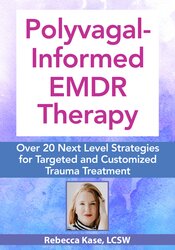
Now, for the first time ever you can watch Rebecca Kase, an internationally renowned EMDR trainer and author of Polyvagal-Informed EMDR: A Neuro-Informed Approach to Healing, for a one-of-a-kind training.
In over 12 hours of specialized training, Rebecca will provide a step-by-step roadmap to harness the power of these groundbreaking approaches so you can:
- Use polyvagal-informed strategies to prepare clients for EMDR & determine readiness
- Apply new ideas to reframe the therapist-client relationship
- Improve memory reprocessing through nervous-system focused interventions
- Easily modify EMDR moment-to-moment in session as challenges arise
- And much more!
If you use EMDR this training will allow you to maintain fidelity to the evidence-based practice but have you feeling like you’ve supercharged the therapy and the recovery process.
Better still, this approach goes beyond trauma and PTSD, and can be used in the treatment of anxiety, addictions, depression, grief, and more.
Don’t miss this chance to get the expert guidance you need to integrate two of today’s most powerful therapeutic tools to form the robust healing model you’ve been looking for.
Purchase now!
This course is not affiliated with EMDRIA and does not qualify toward EMDRIA credits or training.