Shame lurks in the shadows of almost every therapy hour.
It can push your clients to hide their innermost feelings, put them into a freeze state where they feel trapped and powerless, or cause them to lash out at you in-session as they mask their shame with anger and blame.
Yet for most of us, working with shame wasn’t part of our university or supervised training. How will you move your clients forward when they’ve spent a lifetime viewing themselves as wrong, unlovable, and unworthy of getting better?
This 2-day Certification Training will give you the skills and tools you need to end the tyrannical hold of shame and empower your clients to develop the acceptance of themselves, others and reality necessary for the effective treatment of shame-prone clients with trauma, stress, anxiety, eating disorders, substance use, and anger issues.
Watch and get the training you need to:
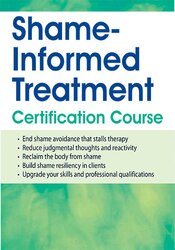
- End shame avoidance that stalls therapy
- Reduce judgmental thoughts and reactivity
- Reclaim the body from shame
- Overcome fears about failure, inadequacy and rejection that get clients stuck
- Build shame resiliency with interventions based on empathy, forgiveness and compassion
Best of all, upon completion of this live training, you’ll be eligible to become a Certified Shame-Informed Treatment Specialist (CSTS) through Evergreen Certifications. Certification lets colleagues, employers, and caregivers know that you’ve invested the extra time and effort necessary to understand the complexities of grief counselling with today’s youth. Professional standards apply. Visit www.evergreencertifications.com/csts for details.
Purchase today!
*We partner with Evergreen Certifications to include certification with some of our products. When you purchase such a product we may disclose your information to Evergreen Certifications for purposes of providing services directly to you or to contact you regarding relevant offers.