Trauma treatment is invariably complicated by the fact that most traumatic experiences involve incompetence or cruelty perpetrated by other human beings. Thereafter, even loved ones no longer feel safe: they feel threatening
Coming to therapy is a cry for help, requiring vulnerability.
But being offered help has often come to be associated with powerlessness, manipulation, and humiliation. Even when clients sincerely want something different for themselves, they cannot control the triggering of instinctive survival defenses, nor the fact that each survival response is inherently in conflict with another. Should the client commit to therapy or flee? Combat the therapist’s every effort? Or “submit” by coming but not fully participating?
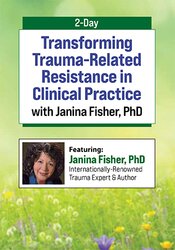
In this workshop, you will explore the complex relationships between these internal trauma-related conflicts and resistance in psychotherapy. Using techniques drawn from Sensorimotor Psychotherapy, Internal Family Systems, and other mindfulness-based psychotherapy models, participants will learn how to de-code resistance and help clients become aware of their therapy-related conflicts and resistance as a normal aspect of trauma treatment.
What we clinicians often label “resistance” may reflect inherent trauma-related conflicts activated by all forms of treatment and all types of therapists. Resistance can manifest in any of the following ways:
- A passive aggressive ‘no’ to every therapeutic intervention
- Unchecked self-destructive behavior
- A struggle for therapeutic control
- Desperation for help alternating with resistance to accepting it
Purchase today! You have a chance to become part of the solution instead of part of the problem.