Get the therapist’s toolkit you need to optimize your work with clients facing their traumatic pasts.
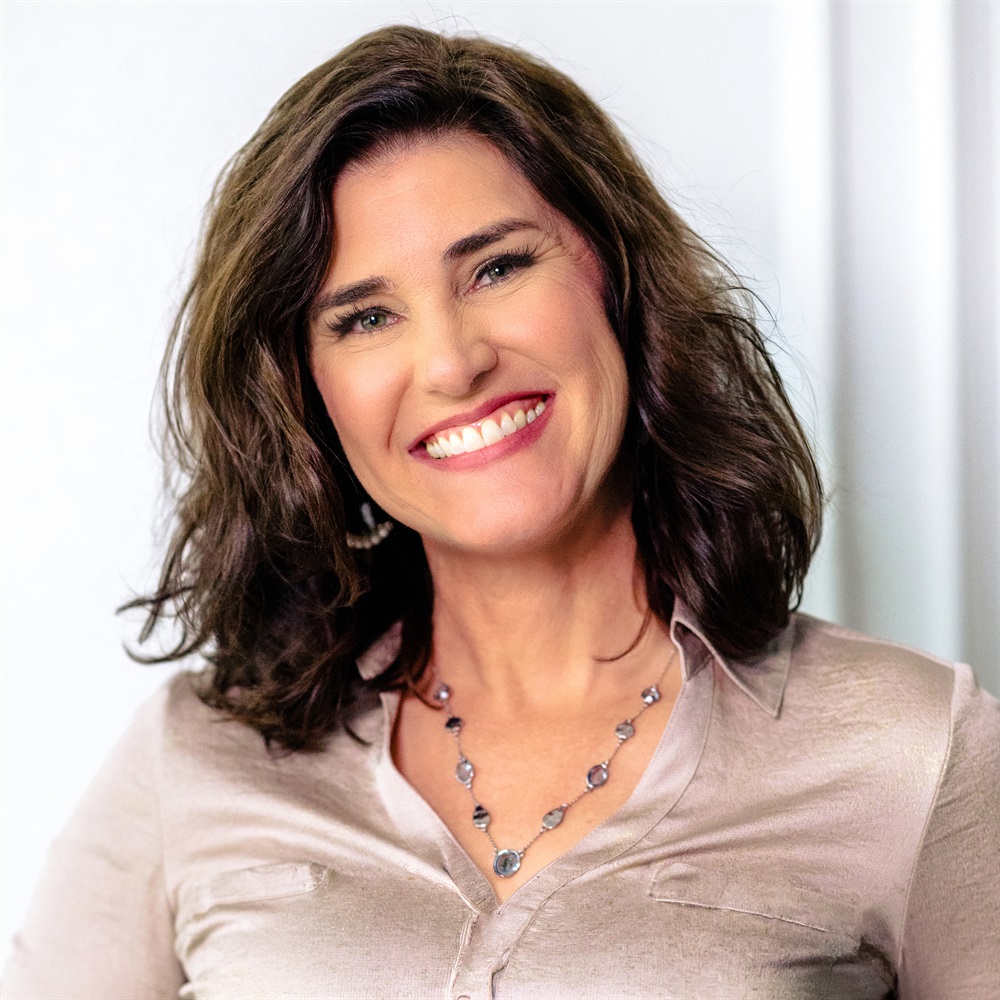
Watch trauma expert Daphne Fatter, PhD, who has almost 20 years of experience providing trauma treatment and completed her postdoctoral fellowship in clinical psychology under the direct supervision of world-renowned trauma expert Dr. Bessel van der Kolk.
Certified in EMDR, IFS and trained in CPT, Dr. Fatter will provide you with a guide on how you can better attune to trauma clients, elicit more stability prior to deeper work, and utilize an evidence-based Three Phase Model to help you create appropriate treatment plans to meet your clients' unique needs.
Dr. Fatter’s training will give you a roadmap to providing quality trauma treatment based on today’s most in-demand treatment modalities so you can:
- Identify which candidates are ready for trauma processing
- Best support clients during triggering moments
- Access critical traumatic content during trauma processing
- Appropriately work with culturally relevant factors
- Discover the nuances of EMDR, CPT, IFS, and PE through case examples
- Choose the right trauma processing model for your clients
- Help clients regulate arousal and stabilize by integrating adjunctive interventions
- Identify indicators of progress in effective trauma treatment
PLUS, when you complete this training, you’ll be eligible to become a Certified Clinical Trauma Professional (CCTP) through Evergreen Certifications at no additional cost.
Don’t miss this chance to get the expert guidance and interventions you need to make your trauma treatment toolbox more robust than ever before.
Register now!
CERTIFICATION MADE SIMPLE!
- No hidden fees – PESI pays for your application fee (a $99 value)*!
- Simply complete this course and the post-event evaluation included in this training, and your application to be a Certified Clinical Trauma Professional through Evergreen Certifications is complete.*
Attendees will receive documentation of CCTP certification from Evergreen Certifications 4 to 6 weeks following completion of the program.
*Professional standards apply. Visit www.evergreencertifications.com/CCTP for professional requirements.
This course is not affiliated with EMDRIA and does not qualify toward EMDRIA credits or training.
This product is not endorsed by, sponsored by, or affiliated with the IFS Institute and does not qualify for IFS Institute credits or certification.