In Just 4 Hours You Can Start Using IFS Therapy’s Top Trauma Tools
- Quickly master IFS therapy basics
- Identify common trauma-driven and shame-based parts
- Unpack how core wounds reshape clients’ systems – and how to repair it
- Includes live demonstrations that make clinical application clear and simple
When you treat trauma, you so often have clients overwhelmed by inner conflict or disconnected from themselves.
And no matter how skilled you are, it can feel like progress stalls when those parts of them are in constant tension or shut down.
But Internal Family Systems (IFS) therapy gives you a way to access and work directly with the different parts inside each client, helping them untangle the inner conflicts that keep them stuck and heal trauma wounds at their core.
Now in this 4-hour experiential workshop, you can get a fast, affordable, and accessible introduction to IFS therapy and walk away with over 10 instantly usable tools for your trauma treatment toolbox …
… PLUS this program will make application of IFS to your own sessions simple by showing you these techniques in action through demonstrations.
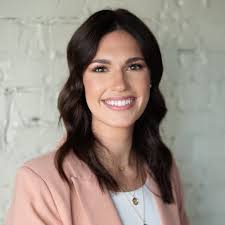
You’ll join Level 2 IFS Therapist Robyn Sonnier, LPC-S who teaches on a variety of topics including IFS, trauma treatment, and working with veterans at conferences, treatment centers, and for nonprofits.
She’ll take you step by step through the basics of IFS – starting with the three core types of parts, how trauma neurobiology influences your client’s internal systems, and the key principles of IFS work. Then she’ll roll into specific tools and strategies you can use right away and show you exactly what these techniques look like in actual sessions.
Whether you’re new to IFS or looking to deepen your trauma-informed skillset, this workshop will give you concrete tools and strategies to begin integrating IFS concepts into your clinical work immediately.
So don’t wait. Purchase now!
This event is not endorsed by, sponsored by, or affiliated with the IFS Institute and does not qualify for IFS Institute credits or certification.