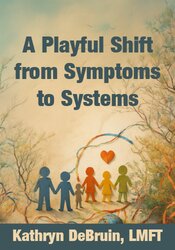
Counselors
Counselors
This self-study activity consists of 1.25 clock hours of continuing education instruction. Credit requirements and approvals vary per state board regulations. Please save the course outline, the certificate of completion you receive from the activity and contact your state board or organization to determine specific filing requirements. This activity is not offered for NBCC CE hours.
Arizona Counselors
CE credit is available. This course consists of 1.25 continuing education clock hours for Arizona Counselors. PESI is an approved provider of continuing education seminars with a national social work association. Please see social work approvals for this program.
California Counselors
The California Board of Behavioral Sciences accepts CE programs that are approved by other approval agencies, including several that approve PESI and its programs. A full list of approval agencies accepted by the BBS can be found at www.bbs.ca.gov/licensees/cont_ed.html under “Where to find CE Courses.” This intermediate level self-study activity consists of 1.5 clock hours of continuing education instruction.
Colorado Counselors
Professional development hours (PDH) are available. This professional development activity consists of 1.25 PDH in the Coursework category. It is designed to meet the requirements of the Colorado State Board of Licensed Professional Counselor Examiners. Licensees can accrue up to 20 PDH in the Coursework category during each renewal cycle. Please save the certificate of completion in case it is requested by the board.
Connecticut Counselors
CE credit is available. This course consists of 1.25 continuing education clock hours for Connecticut Counselors. The Regulations of Connecticut State Agencies confirm acceptance of this program as a qualifying continuing education activity if approved by a national professional association of social work (Sec. 20-195cc-3). PESI is an approved provider of continuing education seminars with a national social work association. Please see social work approvals for this program.
District of Columbia (DC) Counselors
CE credit is available. This course consists of 1.0 continuing education clock hours for DC Counselors. The District of Columbia Municipal Regulations for Professional Counseling (S.6612.3) confirm acceptance of continuing education programs relevant to counseling by organizations that have been approved by a counseling board in another state. PESI, Inc. is recognized by the New York State Education Department's (NYSED) State Board for Mental Health Practitioners as an approved provider of continuing education for Licensed Mental Health Counselors. #MHC-0033. This activity will qualify for 1.0 CE hours.
Florida Counselors
PESI, Inc. is an approved provider with the Florida Board of Clinical Social Work, Marriage and Family Therapy and Mental Health Counseling. Provider Number 50-399. This self-study course qualifies for 1.25 continuing education credits.
Illinois Counselors
This intermediate self-study activity consists of 1.0 clock hours of continuing education instruction. Per the IDFPR: Social Work Continuing Education Sponsors approved by the Division in accordance with the rules for the administration of Clinical Social Work and Social Work Practice Act (225 ILCS 201), 68 Ill. Adm. Code 1470.95; PESI, Inc. is a registered social work continuing education sponsor with the Department of Financial and Professional Regulation, Division of Professional Regulation. License #: 159-000154. A certificate of attendance will be awarded at the end of the program to participants who are in full attendance, pass a post-test, and who complete the program evaluation.
Indiana Counselors
CE credit is available. This course consists of 1.25 continuing education clock hours for Indiana Counselors. The Rules of the Indiana Behavioral Health and Human Services Licensing Board (839 IAC 1·6·2) confirm acceptance of continuing education programs relevant to counseling that are approved by another state’s mental health counselor board. PESI, Inc. is an approved provider with the State of Ohio Counselor, Social Worker and Marriage & Family Therapist Board. Provider approval #:RCST071001. Full attendance at this course meets the qualifications for 1.25 clock hours of continuing education credit.
Iowa Counselors
CE credit is available. This live activity consists of 1.25 continuing education clock hours for Iowa Counselors and is designed to meet the continuing education requirements of the Iowa Bureau of Professional Licensure, IAC 645–32.3(154D,272C). Please retain the course advertisement and certificate of completion for four years in your CE records.
Kansas Counselors
CE credit is available. This course consists of 1.25 continuing education contact hours for Kansas Counselors and is designed to meet the continuing education requirements of the Kansas Behavioral Sciences Regulatory Board (Regulation 102-3-10a) for Professional Counselors. Please retain the course advertisement and certificate of completion for your CE records.
Kentucky Counselors
CE credit is available. This self-study course consists of 1.5 continuing education credit hours for Kentucky Counselors. The Continuing Education Requirements for the Kentucky Board of Licensed Professional Counselors (201 KAR 36:030 Section 2) state continuing education programs from providers sponsored or approved by a state counseling licensure board shall be approved without further review by the board. PESI, Inc. is approved by the South Carolina Board of Examiners for Licensure of Professional Counselors, Marriage and Family Therapists, and Psycho-Educational Specialists. Provider #4540. PESI maintains responsibility for this program and its contents.
Maine Counselors
CE credit is available. This course consists of 1.25 continuing education clock hours for Maine Counselors and is designed to meet the continuing education requirements of the Maine Board of Counseling Professionals Licensure Rules (Chapter 7-A). Please retain the course advertisement and certificate of completion for your CE records.
Missouri Counselors
CE credit is available. This formal, asynchronous course consists of 1.25 continuing education clock hours for Missouri Counselors. The Missouri Committee for Professional Counselors accepts continuing education programs relevant to counseling that are provided by organizations recognized by national social worker associations. PESI, Inc. is recognized by a national social worker association. Please see social work approvals for this program.
Montana Counselors
The Montana Board of Behavioral Health no longer pre-approves any courses or sponsors. Each licensee is responsible for taking courses which contribute to their competence and directly relate to their scope of practice as defined in board statute (MAR 24-219-32). Licensees must keep CE documentation for three years in case of an audit. This intermediate level self-study activity consists of 1.25 clock hours of instruction.
Nebraska Counselors
CE credit is available. This course consists of 1.25 continuing education clock hours for Nebraska Counselors and is designed to meet the continuing education requirements of the Nebraska Department of Health and Human Services (Title 172: Chapter 94: 012). Please retain the course advertisement and certificate of completion for your CE records.
Nevada Counselors
PESI, Inc. is an approved CEU provider with the State of Nevada Board of Examiners for Marriage and Family Therapists and Clinical Professional Counselors. This self-study activity qualifies for 1.25 contact hours. Approved Provider # NVCEP2006.
New Hampshire Counselors
CE credit is available. This course consists of 1.5 continuing education clock hours for New Hampshire Counselors. The Regulations of the New Hampshire Board of Mental Health Practice confirm acceptance of this program as a qualifying Category A continuing education activity if provided by an organization recognized by national social worker associations (Mhp 402.02(b)). PESI, Inc. is recognized by a national social worker association. Please see national social work approvals for this program.
New York Counselors
PESI, Inc. is recognized by the New York State Education Department's (NYSED) State Board for Mental Health Practitioners as an approved provider of continuing education for Licensed Mental Health Counselors. #MHC-0033. This self-study activity will qualify for 1.5 contact hours. Full attendance is required; no partial credits will be offered for partial attendance.
North Dakota Counselors
CE credit is available. This course consists of 1.5 continuing education clock hours for North Dakota Counselors and is designed to meet the continuing education requirements of the North Dakota Board of Counselor Examiners (Article 97-02-01-06). Please retain the course advertisement and certificate of completion for your CE records.
Ohio Counselors
PESI, Inc. is an approved provider with the State of Ohio Counselor, Social Worker and Marriage & Family Therapist Board. Provider approval #:RCST071001. Full attendance at this course meets the qualifications for 1.25 clock hours of general continuing education. Tracking number: 20-1385252
Pennsylvania Counselors
The Pennsylvania State Board of Social Workers, Marriage and Family Therapists and Professional Counselors accepts many national association CE approvals, several of which PESI offers. For a full list, please see your State Board regulations at https://www.dos.pa.gov/ProfessionalLicensing/BoardsCommissions/. This intermediate level self-study activity consists of 1.25 clock hours of continuing education instruction.
Rhode Island Counselors
CE credit is available. This course consists of 1.0 continuing education credit hours for Rhode Island Counselors. The Rhode Island Code of Regulations (216-RICR-40-05-11 (11.3.12.B)) confirm acceptance of continuing education programs relevant to counseling that offer AMA PRA Category 1 Credit™. This live activity is certified for a maximum of 1.0 AMA PRA Category 1 Credits™ by PESI as an accredited ACCME provider authorized to award credit by the AMA. PESI, Inc. is accredited by the Accreditation Council for Continuing Medical Education to provide continuing medical education for physicians.
South Carolina Counselors
This self-study program has been approved for 1.0 continuing education hours by the South Carolina Board of Examiners for Licensure of Professional Counselors, Marriage and Family Therapists, and Psycho-Educational Specialists. Provider #4540.
South Dakota Counselors
CE credit is available. This course consists of 1.25 continuing education credit hours for South Dakota Counselors. The Rules of the South Dakota Board of Examiners for Counselors & Marriage and Family Therapists, ARSD 20:68:07:24, confirm that the board will accept qualified continuing education programs accredited or approved by another state's counseling board. PESI, Inc. is approved by the South Carolina Board of Examiners for Licensure of Professional Counselors, Marriage and Family Therapists, and Psycho-Educational Specialists. Provider #4540. PESI maintains responsibility for this program and its contents.
Tennessee Counselors
CE credit is available. This course consists of 1.25 continuing education credit hours for Tennessee Counselors. The Rules of the Board for Licensed Professional Counselors, Licensed Marital and Family Therapists, and Licensed Clinical Pastoral Therapists, Section 0450-01-.12, confirm continuing education courses which pertain to the practice of counseling shall be considered approved if sanctioned by any state regulatory agency for professional counseling in the United States. PESI, Inc. is approved by the South Carolina Board of Examiners for Licensure of Professional Counselors, Marriage and Family Therapists, and Psycho-Educational Specialists. Provider #4540. PESI maintains responsibility for this program and its contents.
Texas Counselors
CE credit is available. This course consists of 1.5 continuing education hours for Texas Counselors. The Regulations of the Texas State Board of Examiners of Professional Counselors (22 TAC 681.140) confirm acceptance of programs relevant to counseling that are approved by a national or state association of medical, mental or behavioral health professionals or a state governmental agency. Please see association and other state counseling board approvals for this program and retain the course advertisement and certificate of completion for your CE records.
Utah Counselors
CE credit is available. This course consists of 1.25 continuing education clock hours for Utah Counselors and is designed to meet the continuing education requirements of the Clinical Mental Health Counselor Licensing Act Rule, R156-60c. Please retain the course advertisement and certificate of completion for your CE records.
Virginia Counselors
CE credit is available. This course is approved for 1.25 clock hours of continuing competency instruction for Virginia Counselors. The Virginia Board of Counseling recognizes continuing competency activities in the behavioral health field offered by organizations that are approved by a counseling board in another state (18VAC115-20-105). PESI, Inc. is recognized by the New York State Education Department's (NYSED) State Board for Mental Health Practitioners as an approved provider of continuing education for Licensed Mental Health Counselors. #MHC-0033. This activity will qualify for 1.25 contact hours.
Wisconsin Counselors
CE credit is available. This course consists of 1.25 continuing education clock hours for Wisconsin Counselors. The Wisconsin Department of Safety and Professional Services (MPSW 19) accepts continuing education programs relevant to counseling by approved providers recognized by national social worker associations. PESI, Inc. is recognized by a national social worker association (Sec. 20-195cc-3). Please see social work approvals for this program.
Wyoming Counselors
CE credit is available. This course consists of 1.25 continuing education clock hours for Wyoming Counselors and is designed to meet the continuing education requirements of the Wyoming Mental Health Professions Board (Chapter 14, Section 4). Please retain the course advertisement and certificate of completion for your CE records.
Social Workers
Alabama Social Workers
CE credit is available for 1.5 continuing education hours for Alabama Social Workers. Please see national social work approvals for this program.
Alaska Social Workers
CE credit is available for 1.5 continuing education hours for Alaska Social Workers. Please see national social work approvals for this program.
Arizona Social Workers
CE credit is available for 1.5 continuing education hours for Arizona Social Workers. Please see national social work approvals for this program.
Arkansas Social Workers
This course consists of 1.25 continuing education contact hours for Arkansas Social Workers and is designed to meet the continuing education requirements of the State of Arkansas Department of Health Social Work Licensing Board (Ark. Code Ann. §17-103-203). Please retain the course advertisement and certificate of completion for your CE records.
Social Workers - National ASWB ACE
PESI, Inc., #1062, is approved as an ACE provider to offer social work continuing education by the Association of Social Work Boards (ASWB) Approved Continuing Education (ACE) program. Regulatory boards are the final authority on courses accepted for continuing education credit. ACE provider approval period: January 27, 2026 - January 27, 2029. Social workers completing this course receive 1.5 Clinical continuing education credits.
Course Level: Intermediate Format: Recorded asynchronous distance. Full attendance is required; no partial credits will be offered for partial attendance.
Canadian Social Workers: Canadian provinces may accept activities offered by providers approved by the ASWB ACE program for ongoing professional development.
California Social Workers
The California Board of Behavioral Sciences accepts CE programs that are approved by other approval agencies, including several that approve PESI and its programs. A full list of approval agencies accepted by the BBS can be found at www.bbs.ca.gov/licensees/cont_ed.html under “Where to find CE Courses.” This intermediate level self-study activity consists of 1.5 clock hours of continuing education instruction.
Colorado Social Workers
PESI, Inc. is an approved provider with the Colorado Chapter of the National Association of Social Workers. Provider #1413. This self-study course has been approved for 1.4 continuing education hours.
COLORADO PARTICIPANTS ONLY: If you did not answer YES to be reported to the Colorado Chapter of the NASW on the evaluation, please contact cepesi@pesi.com and provide the full title of the webcast, speaker name, date of live broadcast, your name and your license number in the email.
Connecticut Social Workers
CE credit is available for 1.5 continuing education hours for Connecticut Social Workers. Please see national social work approvals for this program.
Delaware Social Workers
CE credit is available for 1.5 continuing education hours for Delaware Social Workers. Please see national social work approvals for this program.
District of Columbia Social Workers
CE credit is available for 1.5 continuing education hours for District of Columbia Social Workers. Please see national social work approvals for this program.
Florida Social Workers
PESI, Inc. is an approved provider with the Florida Board of Clinical Social Work, Marriage and Family Therapy and Mental Health Counseling. Provider Number 50-399. This self-study course qualifies for 1.25 continuing education credits.
Georgia Social Workers
CE credit is available for 1.5 continuing education hours for Georgia Social Workers. Please see national social work approvals for this program.
Hawaii Social Workers
CE credit is available for 1.5 continuing education hours for Hawaii Social Workers. Please see national social work approvals for this program.
Idaho Social Workers
CE credit is available for 1.5 continuing education hours for Idaho Social Workers. Please see national social work approvals for this program.
Illinois Social Workers
PESI, Inc. is an approved provider with the State of Illinois, Department of Financial and Professional Regulation, Division of Professional Regulation. License #: 159-000154. Successful completion of this self-study activity qualifies for 1.0 contact hours.
Indiana Social Workers
CE credit is available for 1.5 continuing education hours for Indiana Social Workers. Please see national social work approvals for this program.
Iowa Social Workers
CE credit is available for 1.5 continuing education hours for Iowa Social Workers. Please see national social work approvals for this program.
Kansas Social Workers
PESI, Inc. is an approved provider with the Kansas Behavioral Sciences Regulatory Board. Provider #14-006. This self-study course has been approved for 1.0 continuing education hours.
Kentucky Social Workers
CE credit is available for 1.5 continuing education hours for Kentucky Social Workers. Please see national social work approvals for this program.
Maine Social Workers
This course consists of 1.25 continuing education contact hours for Maine Social Workers and is designed to meet the continuing education requirements of the Maine State Board of Social Work Licensure (Rule 416, Chapter 14(1)(1)). Please retain the course advertisement and certificate of completion for your CE records.
Massachusetts Social Workers
CE credit is available for 1.5 continuing education hours for Massachusetts Social Workers. Please see national social work approvals for this program.
Michigan Social Workers
CE credit is available for 1.5 continuing education hours for Michigan Social Workers. Please see national social work approvals for this program.
Minnesota Social Workers
PESI, Inc. is an approved provider with the State of Minnesota, Board of Social Work. Provider #: CEP-140. This self-study package has been approved for 1.0 continuing education hours. This certificate has been issued upon successful completion of a post-test.
Missouri Social Workers
CE credit is available for 1.5 continuing education hours for Missouri Social Workers. Please see national social work approvals for this program.
Montana Social Workers
The Montana Board of Behavioral Health no longer pre-approves any courses or sponsors. Each licensee is responsible for taking courses which contribute to their competence and directly relate to their scope of practice as defined in board statute (MAR 24-219-32). Licensees must keep CE documentation for three years in case of an audit. This intermediate level self-study activity consists of 1.25 clock hours of instruction.
Nevada Social Workers
CE credit is available for 1.5 continuing education hours for Nevada Social Workers. Please see national social work approvals for this program.
New Hampshire Social Workers
CE credit is available for 1.5 continuing education hours for New Hampshire Social Workers. Please see national social work approvals for this program.
New Jersey Social Workers
CE credit is available for 1.5 continuing education hours for New Jersey Social Workers. Please see national social work approvals for this program.
New Mexico Social Workers
CE credit is available for 1.5 continuing education hours for New Mexico Social Workers. Please see national social work approvals for this program.
New York Social Workers
PESI, Inc. is recognized by the New York State Education Department's (NYSED) State Board for Social Work as an approved provider of continuing education for licensed social workers #SW-0008. This self-study activity will qualify for 1.5 contact hours. Full attendance is required; no partial credits will be offered for partial attendance.
North Dakota Social Workers
CE credit is available for 1.5 continuing education hours for North Dakota Social Workers. Please see national social work approvals for this program.
Ohio Social Workers
PESI, Inc. is an approved provider with the State of Ohio Counselor, Social Worker and Marriage & Family Therapist Board. Provider approval #:RCST071001. Full attendance at this course meets the qualifications for 1.25 clock hours of general continuing education. Tracking number: 20-1385252
Oklahoma Social Workers
CE credit is available for 1.5 continuing education hours for Oklahoma Social Workers. Please see national social work approvals for this program.
Oregon Social Workers
CE credit is available for 1.5 continuing education hours for Oregon Social Workers. Please see national social work approvals for this program.
Pennsylvania Social Workers
The Pennsylvania State Board of Social Workers, Marriage and Family Therapists and Professional Counselors accepts many national association CE approvals, several of which PESI offers. For a full list, please see your State Board regulations at https://www.dos.pa.gov/ProfessionalLicensing/BoardsCommissions. This intermediate level self-study activity consists of 1.25 clock hours of continuing education instruction.
Rhode Island Social Workers
CE credit is available for 1.5 continuing education hours for Rhode Island Social Workers. Please see national social work approvals for this program.
South Carolina Social Workers
CE credit is available for 1.5 continuing education hours for South Carolina Social Workers. Please see national social work approvals for this program.
South Dakota Social Workers
CE credit is available for 1.5 continuing education hours for South Dakota Social Workers. Please see national social work approvals for this program.
Texas Social Workers
CE credit is available for 1.5 continuing education hours for Texas Social Workers. Please see national social work approvals for this program.
Vermont Social Workers
CE credit is available for 1.5 continuing education hours for Vermont Social Workers. Please see national social work approvals for this program.
Virginia Social Workers
CE credit is available for 1.5 continuing education hours for Virginia Social Workers. Please see national social work approvals for this program.
Washington Social Workers
CE credit is available for 1.5 continuing education hours for Washington Social Workers. Please see national social work approvals for this program.
Wisconsin Social Workers
CE credit is available for 1.5 continuing education hours for Wisconsin Social Workers. Please see national social work approvals for this program.
Psychologists
Arizona Psychologists
This activity consists of 1.25 hours of continuing education instruction and is designed to meet the requirements of the Arizona Board of Psychologist Examiners (Sec. R4-26). Please save the course outline, certificate of completion, and any other supporting documentation you receive from this home study activity in case it is requested by the board.
California Psychologists
CE credit is available. This self-study course consists of 1.0 continuing education credit hours for California Psychologists. The California Department of Consumer Affairs Board of Psychology recognizes and accepts for continuing education credit courses that are specifically applicable and pertinent to the practice of psychology and by entities approved by the ACCME (Accreditation Council for Continuing Medical Education). This enduring material is certified for a maximum of 1.0 AMA PRA Category 1 Credits™ by PESI as an accredited ACCME provider authorized to award credit by the AMA. PESI, Inc. is accredited by the Accreditation Council for Continuing Medical Education to provide continuing medical education for physicians.
Florida Psychologists

PESI, Inc., is an approved provider with the Florida Board of Psychology.Provider Number #50-399.This product qualifies for 1.4 self-study continuing education credits.
Illinois Psychologists
PESI, Inc is an approved provider with the State of Illinois, Department of Professional Regulation. License #: 268.000102. Full attendance at this self-study course qualifies for 1.0 contact hours.
Kentucky Psychologists
PESI, Inc. is approved by the Kentucky Board of Examiners of Psychology to offer continuing education for psychologists, approved provider #202312H. PESI maintains responsibility for this program and its content. This self-study activity will qualify for 1.25 contact hours.
New York Psychologists
PESI, Inc. is recognized by the New York State Education Department's (NYSED) State Board for Psychology as an approved provider of continuing education for licensed psychologists #PSY-0014. This self-study activity will qualify for 1.5 contact hours. Full attendance is required; no partial credits will be offered for partial attendance.
North Dakota Psychologists
CE credit is available. This course consists of 1.25 continuing education clock hours for North Dakota Psychologists. The North Dakota State Board of Psychologist Examiners, pursuant to 66-03-01-03, confirms acceptance of continuing education programs for content related to practice authorized in North Dakota (century code 43-32) for programs approved by certain ce associations. When printing your certificate, please include any national social work approvals.
Ohio Psychologists
PESI, Inc. is approved by the Ohio Psychological Association, Provider #263896894, to sponsor continuing education for psychologists. PESI, Inc. maintains responsibility for this program and its content. PESI is offering this self-study activity for 1.25 Standard hours of continuing education credit.
Pennsylvania Psychologists
PESI, Inc. is approved by the Pennsylvania State Board of Psychology to offer continuing education for psychologists. Provider #PSY000211. PESI maintains responsibility for the program(s). This self-study program qualifies for 1.25 continuing education hours.
Psychologists & Physicians
Physicians: PESI, Inc. is accredited by the Accreditation Council for Continuing Medical Education to provide continuing medical education for physicians. This activity was originally recorded on 06/03/2026. It was last reviewed on 11/26/2025 and is valid until 11/26/2028. You are required to successfully complete and submit a post-test prior to receiving a certificate of completion.
PESI, Inc. designates this enduring material for a maximum of 1.0 AMA PRA Category 1 Credit(s)™. Physicians should only claim credit commensurate with the extent of their participation in the activity.
Psychologists: The following state psychologist boards recognize activities sponsored by PESI, Inc. as an approved ACCME provider: Alaska, Arkansas, California, Colorado, Georgia, Illinois, Indiana, Kentucky, Maine, Maryland, Michigan, Missouri, Nebraska, Nevada, New Hampshire, New Jersey, New Mexico, Oklahoma, Pennsylvania, South Carolina and Wisconsin. This activity consists of 1.0 clock hours of continuing education instruction. You are required to successfully complete and submit a post-test prior to receiving a certificate of completion.
Marriage & Family Therapists
Arizona Marriage & Family Therapists
This activity consists of 1.25 continuing education clock hours for Arizona marriage & family therapists and is designed to meet the continuing education requirements of the Arizona State Board of Behavioral Health Examiners, Section R4-6-802 D. Please retain the course advertisement and certificate of completion for your CE records.
Marriage & Family Therapists
This self-study activity consists of 1.25 clock hours of continuing education instruction. Credit requirements and approvals vary per state board regulations. Please save this course outline, the certificate of completion you receive from this self-study activity and contact your state board or organization to determine specific filing requirements.
Alaska Marriage & Family Therapists
This activity consists of 1.5 continuing education clock hours for Alaska marriage & family therapists and is designed to meet the continuing education requirements of the Alaska Board of Marital & Family Therapy, Section 12 AAC 19.320. Please retain the course advertisement and certificate of completion for your CE records.
California Marriage & Family Therapists
The California Board of Behavioral Sciences accepts CE programs that are approved by other approval agencies, including several that approve PESI and its programs. A full list of approval agencies accepted by the BBS can be found at www.bbs.ca.gov/licensees/cont_ed.html under “Where to find CE Courses.” This intermediate level self-study activity consists of 1.5 clock hours of continuing education instruction.
Connecticut Marriage & Family Therapists
This activity consists of 1.5 continuing education clock hours for Connecticut marriage & family therapist is designed to meet the continuing education requirements of the Connecticut State Department of Public Health. Please retain the course advertisement and certificate of completion for your CE records.
District of Columbia Marriage & Family Therapists
This activity consists of 1.25 continuing education clock hours for District of Columbia marriage & family therapist is designed to meet the continuing education requirements of the DC Municipal Regulations for Marriage and Family Therapy (7707.8). Please retain the course advertisement and certificate of completion for your CE records.
Florida Marriage & Family Therapists
PESI, Inc. is an approved provider with the Florida Board of Clinical Social Work, Marriage and Family Therapy and Mental Health Counseling. Provider Number 50-399. This self-study course qualifies for 1.25 continuing education credits.
Idaho Marriage & Family Therapists
This course consists of 1.25 continuing education contact hours for Idaho Marriage and Family Therapists and is designed to meet the continuing education requirements of the Idaho Licensing Board of Professional Counselors and Marriage and Family Therapists (24.15.01; Section 375; 425. Continuing Education). Please retain the course advertisement and certificate of completion for your CE records.
Illinois Marriage & Family Therapists
PESI, Inc. has been approved as a provider of continuing education by the State of Illinois, Department of Professional Regulation. Provider #:168-000156. Full attendance at this self-study activity qualifies for 1.0 credits.
Indiana Marriage & Family Therapists
This activity consists of 1.5 continuing education clock hours for Indiana marriage & family therapists and is designed to meet the continuing education requirements of the 839 Indiana Admin Code 1-6-2. Please retain the course advertisement and certificate of completion for your CE records.
Iowa Marriage & Family Therapists
This activity consists of 1.5 continuing education clock hours for Iowa marriage & family therapist and is designed to meet the continuing education requirements of the Iowa Board of Behavioral Science. Please retain the course advertisement and certificate of completion for your CE records.
Kansas Marriage & Family Therapists
This activity consists of 1.25 continuing education contact hours for Kansas Marriage and Family Therapists and is designed to meet the continuing education requirements of the Kansas Behavioral Sciences Regulatory Board (K.A.R. 102-5-10. Continuing education for licensees). Please retain the course advertisement and certificate of completion for your CE records.
Maine Marriage & Family Therapists
This course consists of 1.25 continuing education clock hours for Maine Marriage and Family Therapists and is designed to meet the continuing education requirements of the Maine Board of Counseling Professionals Licensure Rules (Chapter 7-A). Please retain the course advertisement and certificate of completion for your CE records.
Montana Marriage & Family Therapists
The Montana Board of Behavioral Health no longer pre-approves any courses or sponsors. Each licensee is responsible for taking courses which contribute to their competence and directly relate to their scope of practice as defined in board statute (MAR 24-219-32). Licensees must keep CE documentation for three years in case of an audit. This intermediate level self-study activity consists of 1.25 clock hours of instruction.
Nevada Marriage & Family Therapists
PESI, Inc. is an approved CEU provider with the State of Nevada Board of Examiners for Marriage and Family Therapists and Clinical Professional Counselors. This self-study activity qualifies for 1.25 contact hours. Approved Provider # NVCEP2006.
New Hampshire Marriage & Family Therapists
This course consists of 1.5 continuing education contact hours for New Hampshire Marriage and Family Therapists and is designed to meet the continuing education requirements of the New Hampshire Board of Menal Health Practice Office of Professional Licensure and Certification (N.H. Code Admin. R. Mhp 402.02 Approved Continuing Education Units). Please retain the course advertisement and certificate of completion for your CE records.
New Jersey Marriage & Family Therapists
This course consists of 1.5 continuing education contact hours for New Jersey Marriage and Family Therapists and is designed to meet the continuing education requirements of the New Jersey State Board of Marriage and Family Therapy Examiners (New Jersey Admin. Code 13:34-5). Please retain the course advertisement and certificate of completion for your CE records.
New Mexico Marriage & Family Therapists
This course consists of 1.5 continuing education contact hours for New Mexico Marriage and Family Therapists and is designed to meet the continuing education requirements of the New Mexico Counseling and Therapy Practice Board (16.27.16.9 NMAC). Please retain the course advertisement and certificate of completion for your CE records.
New York Marriage & Family Therapists
PESI, Inc. is recognized by the New York State Education Department's (NYSED) State Board for Mental Health Practitioners as an approved provider of continuing education for Licensed Marriage and Family Therapists. #MFT-0024. This self-study activity will qualify for 1.5 contact hours. Full attendance is required; no partial credits will be offered for partial attendance.
North Carolina Marriage & Family Therapists
This course consists of 1.25 continuing education contact hours for North Carolina Marriage and Family Therapists and is designed to meet the continuing education requirements of the North Carolina Marriage and Family Therapy Licensure Board (21 NCAC 31.0701 Requirements for Continuing Education). Please retain the course advertisement and certificate of completion for your CE records.
Ohio Marriage & Family Therapists
PESI, Inc. is an approved provider with the State of Ohio Counselor, Social Worker and Marriage & Family Therapist Board. Provider approval #:RCST071001. Full attendance at this course meets the qualifications for 1.25 clock hours of general continuing education. Tracking number: 20-1385252
Pennsylvania Marriage & Family Therapists
The Pennsylvania State Board of Social Workers, Marriage and Family Therapists and Professional Counselors accepts many national association CE approvals, several of which PESI offers. For a full list, please see your State Board regulations at https://www.dos.pa.gov/ProfessionalLicensing/BoardsCommissions/. This intermediate level self-study activity consists of 1.25 clock hours of continuing education instruction.
Rhode Island Marriage & Family Therapists
This course consists of 1.0 continuing education contact hours for Rhode Island Marriage and Family Therapists and is designed to meet the continuing education requirements of the Rhode Island Licensing Board of Clinical Mental Health Counselors and Marriage and Family Therapists (216-RICR-40-05-11.3.12 Continuing Education Requirements). Please retain the course advertisement and certificate of completion for your CE records.
South Carolina Marriage & Family Therapists
This self-study program has been approved for 1.0 continuing education hours by the South Carolina Board of Examiners for Licensure of Professional Counselors, Marriage and Family Therapists, and Psycho-Educational Specialists. Provider #4540.
South Dakota Marriage & Family Therapists
This course consists of 1.25 continuing education contact hours for South Dakota Marriage and Family Therapists and is designed to meet the continuing education requirements of the South Dakota Board of Examiners for Counselors & Marriage and Family Therapists (ARSD 20:68:07:24 Approved continuing education programs). Please retain the course advertisement and certificate of completion for your CE records.
Tennessee Marriage & Family Therapists
This course consists of 1.25 continuing education contact hours for Idaho Counselors and is designed to meet the continuing education requirements of the Idaho Licensing Board of Licensed Professional Counselors, Licensed Marital and Family Therapists and Licensed Clinical Pastoral Therapists (Tenn. Comp. R. & Regs. 0450-01-.12 - CONTINUING EDUCATION). Please retain the course advertisement and certificate of completion for your CE records.
Texas Marriage and Family Therapists
CE credit is available. This course consists of 1.5 continuing education hours for Texas Marriage and Family Therapists. The Regulations of the Texas State Board of Examiners of Marriage and Family Therapists (22 TAC §801.261) confirm acceptance of programs relevant to counseling that are approved by a national or state association of medical, mental or behavioral health professionals or a state governmental agency. Please see association and other state counseling board approvals for this program and retain the course advertisement and certificate of completion for your CE records.
Utah Marriage & Family Therapists
This course consists of 1.25 continuing education clock hours for Utah Marriage and Family Therapists and is designed to meet the continuing education requirements of the Utah Mental Health Professional Practice Act Rule (R156-60b-304 Continuing Education). Please retain the course advertisement and certificate of completion for your CE records.
Virginia Marriage & Family Therapists
This activity consists of 1.25 continuing education contact hours for Virginia Marriage and Family Therapists and is designed to meet the continuing competency criteria of the Virginia Board of Counseling (18VAC115-50-96. Continuing competency activity criteria). Please retain the course advertisement and certificate of completion for your CE records.
Wisconsin Marriage & Family Therapists
This course consists of 1.5 continuing education contact hours for Wisconsin Marriage and Family Therapists and is designed to meet the continuing education requirements of the Wisconsin Marriage and Family Therapy, Professional Counseling and Social Work Examining Board (MPSW 19.03 Approved continuing education). Please retain the course advertisement and certificate of completion for your CE records.
Wyoming Marriage & Family Therapists
This course consists of 1.25 continuing education clock hours for Wyoming Marriage and Family Therapists and is designed to meet the continuing education requirements of the Wyoming Mental Health Professions Board (Chapter 14, Section 4). Please retain the course advertisement and certificate of completion for your CE records.