

Anchoring in Change
Harnessing the Power of In-the-Moment Emotional & Relational Shifts
- Speaker:
- Diana Fosha, PhD
- Duration:
- 1 Hour 09 Minutes
- Format:
- Audio and Video
- Copyright:
-
Oct 12, 2023
- Product Code:
- POS059536
- Media Type:
- Digital Seminar

Description
We often see powerful emotional shifts in therapy sessions, but what do we do then? So often, unless anchored in these powerful moments, these shifts don’t stick, and clients return session after session fundamentally un-changed despite powerful experiences in the room. New psychotherapy research shows us how to harness the power of these emotional and relational in-session shifts to anchor in “positive neuroplasticy,” turbocharge their potency and promote outside of session flourishing. In this new keynote, Diane Fosha, using actual therapy videos, will share how to work with these in-session shifts, specifically showing how AEDP turbocharges the potency of these moments with systematic interventions. Whatever your approach you use, you’ll walk away with a new understanding of not only how to bring out needed emotional and relational shifts in clients but also how to anchor them in for healing and lasting flourishing.
Credit
Handouts/Brochure
| File type | File name | Number of pages | |
|---|---|---|---|
| Manual - Anchoring in Change Harnessing the Power of In-the-Moment Emotional & Relational Shifts (7.8 MB) | 91 Pages | Available after Purchase |
Speaker
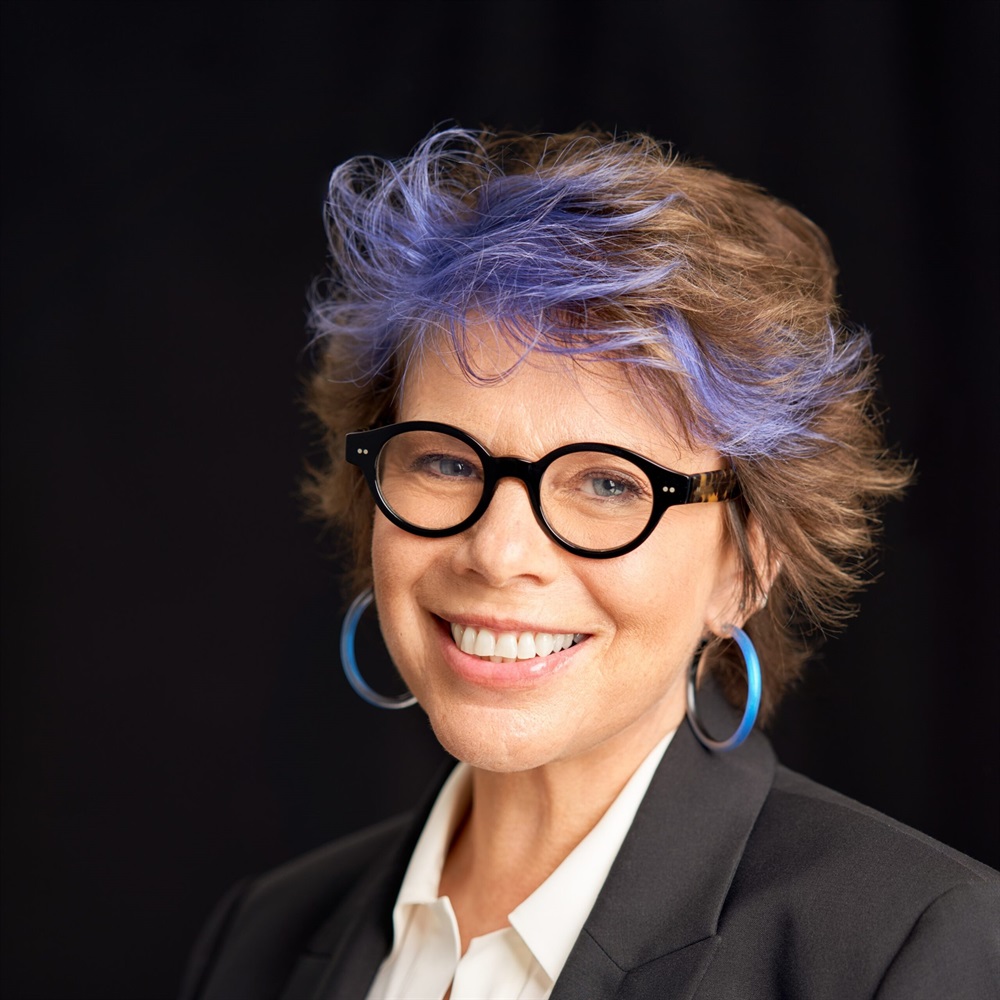
Diana Fosha, PhD Related seminars and products
Diana Fosha, PhD, is the developer of AEDP (Accelerated Experiential Dynamic Psychotherapy), a healing-based, transformation-oriented model of psychotherapeutic treatment and she is founder and director of the AEDP Institute. For the last 20 years, Diana has been active in promoting a scientific basis for a healing-oriented, attachment-emotion-transformation focused trauma treatment model. Fosha’s work focuses on integrating positive neuroplasticity, recognition science and developmental dyadic research into experiential and transformational clinical work with patients. Her most recent work focuses on promoting flourishing as a seamless part of AEDP’s therapeutic process of transforming emotional suffering. Drawing on affective neuroscience, attachment theory, mother-infant developmental research, and research documenting the undreamed-of plasticity in the adult brain, AEDP has developed an experiential clinical practice, which reflects the integration of science, research and practice in psychotherapy.
Based in New York City, where she lives and practices, Fosha has been on the faculties of the Departments of Psychiatry and Psychology of NYU and St. Luke’s/Roosevelt Medical Centers (now Mount Sinai) in NYC, and of the doctoral programs in clinical psychology at the Derner Institute for Advanced Psychological Studies at Adelphi University and at The City University of New York.
Speaker Disclosures:
Financial: Diana Fosha is the Director and Founder of the AEDP Institute and maintains a private practice. She receives royalties as a published author and has an employment relationship with Mount Sinai. Diana Fosha receives a speaking honorarium, recording, and book royalties from Psychotherapy Networker and PESI, Inc. She has no relevant financial relationships with ineligible organizations.
Non-financial: Diana Fosha is on the advisory board of GAINS and the Society for Constructivism in the Human Science. She is on the Planning Committee and Advisory Board of by the Lifespan Learning Institute and is a member of the American Psychological Association.
Additional Info
Access for Self-Study (Non-Interactive)Access never expires for this product.
For a more detailed outline that includes times or durations of time, if needed, please contact cepesi@pesi.com. ** no”Access to Self Study” tab available.
Questions?
Visit our FAQ page at www.pesi.com/faq or contact us at www.pesi.com/info
Objectives
- Describe how transformance, a wired in capacity for healing and self-right, is the overarching motivational force driving positive change and positive neuroplasticity.
- Define metatherapeutic processing and and explain how it can be used to anchor in therapeutic change.
- Utilize metatherapeutic processing (experientially exploring the patients experience of having a therapeutic experience) as an intervention to deepen, broaden and consolidate therapeutic results.
Outline
- Positive neuroplasticity: how to entrain it in therapy sessions
- How to facilitate in-session emotional and relational change; with video illustration
- How to use metatherapeutic processing to anchor in change and convert in-session changes into positive neuroplasticity and lasting flourishing: Transtheoretical and transdiagnostic systematic Interventions; with video illustration
Target Audience
- Counselors
- Social Workers
- Psychologists
- Case Managers
- Addiction Counselors
- Therapists
- Marriage & Family Therapists
- Other Mental Health Professionals
- Occupational Therapists
- Occupational Therapy Assistants
- Nurses



Reviews
Satisfaction Guarantee
Your satisfaction is our goal and our guarantee. Concerns should be addressed to: PO Box 1000, Eau Claire, WI 54702-1000 or call 1-800-844-8260.
ADA Needs
We would be happy to accommodate your ADA needs; please call our Customer Service Department for more information at 1-800-844-8260.
PESI Mobile App
Access CE trainings on your phone or tablet through our free mobile app. Choose video or audio-only versions of online courses from the world’s best instructors, and complete your CE requirements anywhere, anytime, at your own pace.




Please wait ...