
- What are we talking about?
- DSM categories
- Limitations in the research and how this impacts assessment and treatment; the absence of Black women
- Research bias; the erasure of Black women from research on restrictive disorders and the focus on binge eating in Black women
- Weight bias and racism in health and research
- Who are we talking about?
- Black women in Western society
- The racial, ethnic and cultural relevance in eating disorder development and presentation-The function of restrictive eating disorders and weight loss in Black women
- Case studies
- Treatment and assessment
- What is “evidence based” in research that is heavily biased?
- Limitations of assessment and interventions -Culturally relevant conversations about food
- Why body image curriculum harms Black women
- Going forward
- When to discuss race with clients
- How to bring racial harm into conversations about disordered eating
Free Test Alert
You have been selected to receive a free test alert - on us!
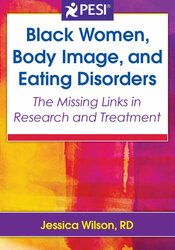
Black Women, Body Image, and Eating Disorders
So often, the hidden assumption in assessment and treatment for poor body image is that clients’ negative views of their bodies are subjective and can shift with individual interventions. Yet oppression and race-based trauma informs the ways in which disordered eating and poor body image presents for Black women. Black women are confronted every day with the contradictory message that their bodies are both “too much” for Western society and also “not enough” for Western society. In this session, we will explore how weight stigma and thin privilege are influenced by racism, specifically anti-Blackness, and learn how to better serve Black women in treatment settings where eating and body image are at the forefront.
Here's What You'll Learn
Everything You're Getting
- More than 1 hour of video content
- Up to 1.0 CE credits
- Certificate of completion
- Handouts and resources
We Recommend
This Item
Meet Your Experts
Jessica Wilson, MS, RD
Toggle speaker biography
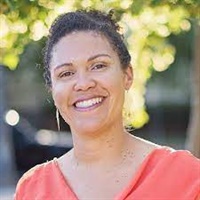
Jessica Wilson, MS, RD, (she/her), has 15 years’ experience as a clinical dietician. She has specialized in eating disorder care since 2009 and has led international dialogues about the barriers marginalized clients face when accessing eating disorder care. Jessica is well known for co-founding the #amplifymelanatedvoices movement and her commentary on the racist origins of the frameworks and models that guide the medical and mental health fields. She stays active on social media and in her communities advocating for body liberation, centering those most marginalized. Jessica is currently writing a book about the impacts of white supremacy on the narratives of Black women’s bodies for Hachette Books. In her spare time, she gardens, rides bike and walks her dogs.
Speaker Disclosures:
Financial: Jessica Wilson maintains a private practice and has an employment relationship with the University of California. She receives a speaking honorarium from PESI, Inc. She has no relevant financial relationships with ineligible organizations.
Non-financial: Jessica Wilson is a Co-host of the My Black Body podcast.

100% Demo Guarantee
Register for this intensive training course without risk. If you're not completely satisfied, give us a call at 800-844-8260. We're that confident you'll find this learning experience to be all that's promised and more than you expected.
PESI Mobile App
Access CE trainings on your phone or tablet through our free mobile app. Choose video or audio-only versions of online courses from the world's best instructors, and complete your CE requirements anywhere, anytime, at your own pace.
Access for Self-Study (Non-Interactive)
Access never expires for this product.
Questions?
Visit our FAQ page at www.pesi.com/faq or contact us at www.pesi.com/info
- Media Type:
- Digital Seminar
- Product Code:
- POS058806
- Duration:
- 1 hour, 4 minutes
- Copyright:
- Feb 24, 2022
- Closed Captions:
- Available
- Format:
- Audio and Video
ADA Needs
We would be happy to accommodate your ADA needs; please call our Customer Service Department for more information at 1-800-844-8260.