As you perform your typical intake with a new client, you review their eating habits. There are indications of abnormal eating behaviors like yo-yo dieting and restrictive eating. The client guiltily says things like “I know I should eat healthier.”
Your guard is up, but you quickly move along when their problems don’t take the form of a full-blown eating disorder like anorexia or bulimia.
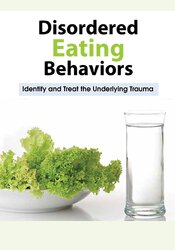
Disordered eating behaviors are frequently hiding something deeper – serving as a coping mechanism for the unresolved trauma that lies beneath. Without addressing the trauma behind the disordered eating your client will fail to find the relief they seek.
Watch this seminar and learn how to assess and treat disordered eating from a trauma-informed, body positive lens, for improved outcomes!
You’ll get the skills and essential treatment techniques you need for every stage of therapy, including:
- Tools to diagnose and treat non-DSM-5® disordered eating
- Interventions for reducing trauma symptomology related to disordered eating behaviors
- Evidence-based strategies to reframe clients’ damaging relationship with food
Purchase today and experience the satisfaction of helping your clients to resolve their traumas and release the unhealthy disordered eating behaviors with this powerful non-diet paradigm!