Josefa Domingos, MSc, Physio
Toggle speaker biography
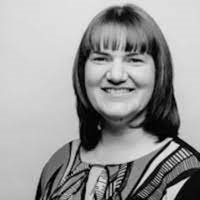
Josefa Domingos, MSc. Physio, has specialized in the treatment of Parkinson’s and related disorders for the past 15 years. She maintains a full clinical practice and serves as the national healthcare coordinator for the APDPk (Portugal’s premier Parkinson’s advocacy organization). She travels internationally to speak on topics related to dual-task training and neurological rehabilitation.
In addition, she is completing a PhD at Radboud University in the Netherlands, under the supervision of Professor Dr. Bas Bloem. Her research focuses on the development of multitask community programs for Parkinson’s, highlighting the importance of physiotherapy and other expert clinical input in the design and performance of community exercise activities.
Speaker Disclosures:
Financial: Josefa Domingos has employment relationships with Portuguese Parkinson Disease Patient Association, Radboud University, Inova Parkinson’s & Movement Disorder Centre and Young Parkies Portugal. She receives a speaking honorarium and recording royalties from PESI, Inc. Ms. Domingos receives honoraria and consulting fee from Abbvie and Bial Pharmaceutical.
Non-financial: Josefa Domingos is Rehabilitation Coordinator of the Portuguese Movement Disorders Medical Society, a member of the Scientific Board of the Portuguese Gerontology Society and of the scientific committee of the European Parkinson disease Association.