“Who am I now? I can’t imagine my life without them.”
Grief is unpredictable. In response to this shock to the attachment system, your clients may become dysregulated or shut down in the days, weeks, months, and years ahead.
You could offer them a supportive space and some suggestions for coping.
Or you could help them shift into the type of emotional balance that allows them to move through grief – using the power of attachment theory and science.
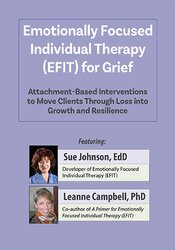
Emotionally Focused Individual Therapy (EFIT) offers a dependable map to tune into your clients’ emotions as they grapple with the impact of loss. EFIT takes you to the heart of the matter with clear interventions that will reliably shape transformational emotional moments for your clients in every session.
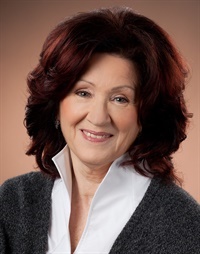
During this 1-day workshop, Dr. Sue Johnson and Dr. Leanne Campbell will give you a blueprint to use with your clients struggling with loss – including anticipatory loss and traumatic loss. You’ll be ready to:
- Conduct process-oriented assessments that frame grief from an attachment perspective
- Utilize a proven set of macro and micro interventions that respond to the core longings, needs, and vulnerabilities your grieving clients are experiencing
- Resolve symptoms, transform trauma, and move clients into the type of full, flexible aliveness that promotes resilience and growth
Purchase now - harness the power of emotions and integrate attachment science into your practice with clients struggling in the aftermath of loss.