
Leanne Campbell, PhD
Toggle speaker biography
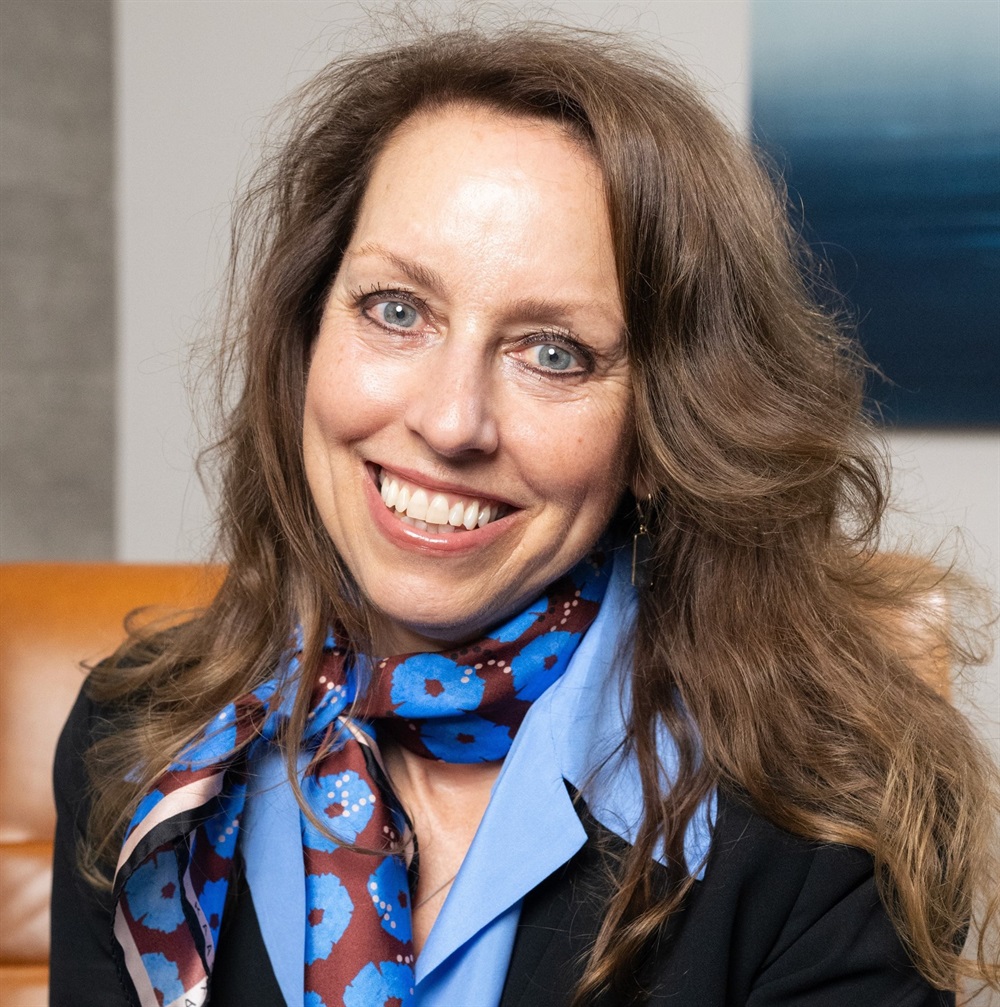
Leanne Campbell, PhD, is co-developer of Emotionally Focused Individual Therapy (EFIT) and co-author with Dr. Susan Johnson of the first basic EFIT text, A Primer for Emotionally Focused Individual Therapy (EFIT). She also co-authored Emotionally Focused Therapy for Trauma and contributed to Becoming an Emotionally Focused Therapist: The Workbook.
Dr. Campbell is a registered psychologist in the province of British Columbia, vice president of the International Center for Excellence in Emotionally Focused Therapy (ICEEFT), and an international speaker, writer, researcher, trainer and co-author of various EFT-related educational programs and materials. In addition to providing psychological services to hundreds of individuals, couples, and families over nearly three decades, Dr. Campbell provides trainings in Emotional Focused Therapy (EFT) to professionals around the globe with a primary focus in the areas of loss and trauma. Dr. Campbell’s dedication to advancing EFT principles and her commitment to helping others grow through emotionally focused interventions have made her a foremost authority in the field.
Speaker Disclosures:
Financial: T. Leanne Campbell maintains a private practice and receives royalties as a published author. She receives a speaking honorarium, recording, and book royalties from Psychotherapy Networker and PESI, Inc. She has no relevant financial relationships with ineligible organizations.
Non-financial: T. Leanne Campbell is a board member International Centre for Excellence in Emotionally Focused Therapy. She is a member of the Canadian Psychological Association, the College of Psychologists of British Columbia, and the International Centre for Excellence in Emotionally Focused Therapy.