
Geriatric Considerations in the Management of COPD Exacerbations
- Speaker:
- Julia Rogers, DNP, APRN, CNS, FNP-BC, FAANP
- Duration:
- 2 Hours 05 Minutes
- Format:
- Audio and Video
- Copyright:
-
Aug 08, 2022
- Product Code:
- POS078471
- Media Type:
- Digital Seminar

Description
This session will provide an overview of considerations in the geriatric population for the management of chronic obstructive pulmonary disease exacerbations. The session will cover possible differential diagnosis associated with COPD exacerbations, pharmacotherapy and non-pharmacotherapy options for individuals having an exacerbation, and the several types of delivery methods used for medications. The session will also cover the modes of ventilation including noninvasive oxygen therapy and invasive mechanical ventilation by intubation.
Credit
Handouts/Brochure
| File type | File name | Number of pages | |
|---|---|---|---|
| Manual - Geriatric Considerations in the Management of COPD Exacerbations (2.5 MB) | 37 Pages | Available after Purchase | |
| Manual - Geriatric Considerations in the Management of COPD Exacerbations - French (2.5 MB) | 37 Pages | Available after Purchase | |
| Manual - Geriatric Considerations in the Management of COPD Exacerbations - Italian (2.5 MB) | 37 Pages | Available after Purchase | |
| Manual - Geriatric Considerations in the Management of COPD Exacerbations - German (2.5 MB) | 37 Pages | Available after Purchase | |
| Manual - Geriatric Considerations in the Management of COPD Exacerbations - Spanish (2.5 MB) | 37 Pages | Available after Purchase |
Speaker
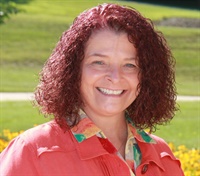
Julia Rogers, DNP, APRN, CNS, FNP-BC, FAANP Related seminars and products
Purdue University Northwest
Julia L. Rogers, DNP, APRN, CNS, FNP-BC, FAANP, is a critical care and pulmonary nurse practitioner and an assistant professor of nursing at Purdue University Northwest in the College of Nursing. She is a certified FNP through the ANCC and is currently working in pulmonary and critical care. Dr. Rogers is a fellow of the American Association of Nurse Practitioners, a member of Sigma Theta Tau International Mu Omega chapter, and a member of the American Association of Critical Care Nurses. She represents the American Nurses Association as a CPT advisory committee member to the American Medical Association’s CPT editorial panel. She is an accomplished presenter at the national, state, and local level, where she has presented on an array of topics for both nurse educators and nurse practitioners. Dr. Rogers has been the editor and author of three pathophysiology textbooks and serves as the billing and coding column coordinator for The Nurse Practitioner Journal.
Speaker Disclosures:
Financial: Julia Rogers has employment relationships with Purdue University Northwest, Team Health Hospitalist Group, and Northwest Medical Group. She receives royalties as a published author. She had a previously relationship with Lippincott. Julie Rogers receives a speaking honorarium from the Coalition of Advanced Practice Nursing, and the National Conference for Nurse Practitioners. She receives a speaking honorarium and recording royalties from PESI, Inc. She has no relevant financial relationships with ineligible organizations.
Non-financial: Julia Rogers is on the advisory board for the Nurse Practitioner Journal as well as the billing and coding column coordinator. She is a member of the American Association of Colleges of Nurses, the National League of Nurses, the National Organization of Nurse Practitioner Faculties, the American Association of Nurse Practitioners, the American Association of Critical Care Nurses, and the American Nurses Association.
Additional Info
Access for Self-Study (Non-Interactive)Access never expires for this product.
Questions?
Visit our FAQ page at www.pesi.com/faq or contact us at www.pesi.com/info
Objectives
- Discuss the differences in pharmacotherapy delivery methods for the geriatric population (inhaled, oral, intravenous, and nebulized).
- Differentiate when invasive mechanical ventilation is required and when noninvasive mechanical ventilation is required.
- Apply pharmacologic and non-pharmacological treatment options in practice based on the most current available evidence for geriatric individuals hospitalized with COPD exacerbations.
Outline
I. Diagnosis and Overview of COPD and Exacerbation- Outpatient treatment failure
- Why this is important in geriatric population
- Differential diagnoses
- Classification and characteristics
- When and why to admit to the hospital
- When and why to admit to ICU
- Management of COPD exacerbations in the geriatric population
- Compare and contrast pharmacotherapy delivery methods
- Benefits and risks of Inhaled; Oral; IV; and nebulized medications for COPD
- Ventilation
- Noninvasive ventilation
- Invasive mechanical ventilation via intubation
- Bronchodilators
- Corticosteroids
- Antibiotics
- Oxygen
- Vitamins and minerals
- Mucolytics
- Phosphodiesterase 4 inhibitors
- Theophylline
- Pulmonary Rehab
- Education
- Vaccinations
- Integrated Self Care Programs
- Self-Management
- Identify risks and reduce exposure to triggers
- Palliative and Hospice care
Target Audience
- Nurses
- Nurse Practitioners
- Physician Assistants
- Physical Therapists
- Occupational Therapists
- Speech-Language Pathologists
- PharmDs
Reviews
Satisfaction Guarantee
Your satisfaction is our goal and our guarantee. Concerns should be addressed to: PO Box 1000, Eau Claire, WI 54702-1000 or call 1-800-844-8260.
ADA Needs
We would be happy to accommodate your ADA needs; please call our Customer Service Department for more information at 1-800-844-8260.
PESI Mobile App
Access CE trainings on your phone or tablet through our free mobile app. Choose video or audio-only versions of online courses from the world’s best instructors, and complete your CE requirements anywhere, anytime, at your own pace.




Please wait ...