
Integrating IASTM and Kinesiology Taping
- Speaker:
- Jim Wagner, OTD, OTR/L, CHT, CPAM, CSCS
- Duration:
- 1 Hour 27 Minutes
- Format:
- Audio and Video
- Copyright:
-
Oct 01, 2019
- Product Code:
- POS064445
- Media Type:
- Digital Seminar

Description
Kinesiology tape is widely used in sports and rehab –but how does it actually work? What is it doing to the tissues? In this seminar, we’ll explore the theories of sensory, circulatory and muscle activation. You’ll learn how kinesiology tape applications can help to reduce pain and normalize movement patterns. We’ll also explore how to combine treatment modalities for improved outcomes.
Credit
Speaker
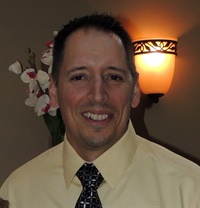
Jim Wagner, OTD, OTR/L, CHT, CPAM, CSCS Related seminars and products
Dr. Wagner is an occupational therapist and certified hand therapist who has worked in upper-extremity orthopedic clinical settings for more than 20 years. He received his post-professional clinical doctorate from Rocky Mountain University of Health Professions with a specialty in hand therapy. Dr. Wagner is currently team leader of the OT/Hand Therapy Department at Robert Packer Hospital in Sayre, PA. In addition, he is credentialed in physical agent modalities and is a certified strength and conditioning specialist.
Dr. Wagner is also an adjunct professor in the Occupational Therapy Program at Keuka College in Keuka Park, NY. He is a member of the American Society of Hand Therapists and has been published in the practice forum section of the Journal of Hand Therapy. Dr. Wagner has integrated his passion for instrument assisted soft tissue mobilization (IASTM) into his daily clinical practice and personal training. On a personal note, he has been involved in competitive powerlifting/weightlifting for 28 years.
Additional Info
Access for Self-Study (Non-Interactive)Access never expires for this product.
Questions?
Visit our FAQ page at www.pesi.com/faq or contact us at www.pesi.com/info
Objectives
- Describe the history of IASTM and Kinesiology taping
- Define the 4 main theories on how IASTM works
- Identify at least 4 precautions and contraindications to IASTM
- Identify at least 4 precautions and contraindications to Kinesiology taping
- Name at least 3 Kinesiology Taping Cuts
- Describe the 10 stages of proper Kinesiology Taping Application as outlined in the course
Outline
Module 1: Introduction, History and Precautions/Contraindications- History of IASTM
- Why IASTM?
- History of Kinesiology Taping
- Why Kinesiology Taping?
- Precautions and Contraindications (IASTM and Kinesiology Taping)
- IASTM Proposed Mechanisms of Action
- IASTM Effects and Research
- IASTM Instrument Selection: Shapes, Edges and Bevels
- IASTM Strokes
- IASTM Dosing
- Kinesiology Taping Proposed Mechanisms of Action
- Kinesiology Taping Facts
- Kinesiology Taping Research
- Kinesiology Taping Techniques
- Kinesiology Tape Cuts and Patterns
- Proper Application
- Kinesiology Taping Aftercare
- Combining IASTM and Kinesiology Taping for:
- Shoulder
- Calf, Ankle and Foot
- Additional Kinesiology Taping Applications
- Lower Back Pain
- Anterior Knee Pain
- Cervical Joint Support
- Elbow or Wrist Pain
- Hand and Wrist Pain
- Achilles Tendon Pain
- Documentation
- Treatment Overview and Principals
- Clinical Reasoning
- 4 T's of Functional Taping
- Practical Application
- Further Education Opportunities
Target Audience
- Physical Therapists
- Occupational Therapists
- Massage Therapists
- Chiropractors
- Athletic Trainers
- Exercise Physiologists
Reviews
Satisfaction Guarantee
Your satisfaction is our goal and our guarantee. Concerns should be addressed to: PO Box 1000, Eau Claire, WI 54702-1000 or call 1-800-844-8260.
ADA Needs
We would be happy to accommodate your ADA needs; please call our Customer Service Department for more information at 1-800-844-8260.
PESI Mobile App
Access CE trainings on your phone or tablet through our free mobile app. Choose video or audio-only versions of online courses from the world’s best instructors, and complete your CE requirements anywhere, anytime, at your own pace.




Please wait ...