
Joseph Saseen, PharmD, BCPS, BCACP, CLS, FASHP, FCCP, FAPhA, MNLA
Toggle speaker biography
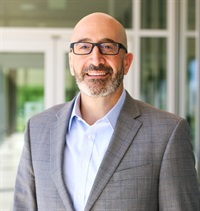
Joseph Saseen, PharmD, BCPS, BCACP, CLS, FASHP, FCCP, FAPhA, MNLA is Associate Dean for Clinical Affairs and Professor of Clinical Pharmacy and a Professor of Family Medicine at the University Anschutz Medical Campus. He has responsibilities for enhancing the school’s clinical enterprise, further developing sustainable clinical service models, advocating for advancing the practice of pharmacy in the state of Colorado, and manages strategic international relationships.
Dr. Saseen is a clinical pharmacist who focuses on cardiovascular risk reduction and population health. His scholarly work includes over two hundred peer-reviewed publications and book chapters. He is a past president of the National Lipid Association (NLA). Dr. Saseen is a fellow of the American College of Clinical Pharmacy, American Society of Health-system Pharmacists, American Pharmacists Association, and the American Heart Association. He is a Master of the NLA and is certified as a Clinical Lipid Specialist. He was an author of the 2018 AHA/ACC/Multisociety cholesterol management guideline, the 2022 NLA Statin Intolerance Scientific Statement, and the 2024 NLA/American Geriatrics Society Managing Hypercholesterolemia in Adults Aged 75 Years and Older Without a History of ASCVD Expert Consensus Statement.
Speaker Disclosures:
Financial: Joseph Saseen has an employment relationship with Merck. He receives a grant from CU Medicine. He receives a speaking honorarium and recording royalties from PESI, Inc.
Non-financial: Joseph Saseen is a member of the American Society of Health-Systems Pharmacists, the American College of Clinical Pharmacy, the American Association of Colleges of Pharmacy, the Colorado Pharmacists Society, the National Lipid Association, the American Pharmacists Association, and the International Pharmaceutical Federation.