

An Introduction to NARM: The NeuroAffective Relational Model (NARM) for Healing Adverse Childhood Experiences
- Speaker:
- Brad Kammer, LMFT, LPCC
- Duration:
- 1 Hour 31 Minutes
- Format:
- Audio and Video
- Copyright:
-
Jun 03, 2021
- Product Code:
- POS058305
- Media Type:
- Digital Seminar

Description
In this seminar, you will be introduced to the NeuroAffective Relational Model (NARM), a specialized clinical approach for mental health professionals who work with the long-term impacts of Adverse Childhood Experiences (ACEs) and Complex Trauma (C-PTSD).
NARM is a cutting-edge model for addressing relational, developmental trauma, cultural and intergenerational trauma, by working with the disorganized attachment patterns that cause psychobiological symptoms and interpersonal difficulties. These early, unconscious patterns of disconnection – what NARM refers to as Adaptive Survival Styles – deeply affect our identity, emotions, physiology, behavior and relationships. Working directly with the deeply embedded neurobiological patterns of shame, self-hatred and self-sabotage, NARM provides a powerful framework for addressing the life-long impact of ACEs and C-PTSD and promoting trauma-informed care.
This developmentally-oriented, neuroscientifically-informed model, as outlined in Dr. Laurence Heller’s book Healing Developmental Trauma, bridges traditional psychotherapy with somatic approaches within a context of relational practice. NARM is a mindfulness-based clinical treatment, as its method is grounded in a phenomenological approach to addressing identity and consciousness of the Self – who we truly are beneath these patterned ways of relating to ourselves and the world. Seen in this way, the NARM approach to healing complex trauma can be used as a vehicle for personal and collective transformation.
Credit
Speaker
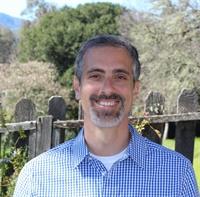
Brad Kammer, LMFT, LPCC Related seminars and products
Brad Kammer, LMFT, LPCC, is the founder, training director, and senior trainer for the Complex Trauma Training Center (CTTC). Brad is responsible for the creation of the CTTC professional development programs, including the SPACE Program: An Inner Development Program of Support and Self-Discovery for Therapists. Brad guides CTTC mentorship programs involving faculty, training assistants, and participants. He is also the executive producer of the Transforming Trauma podcast.
Brad is a senior trainer in the NARM® Therapist and NARM® Master Training programs, as well as a consultant for NARM Therapists around the world. Brad is also the co-author of The Practical Guide for Healing Developmental Trauma and the Workbook for Healing Developmental Trauma.
Brad is a licensed psychotherapist in California and has worked in the field of trauma for over 25 years, specializing in working with Adverse Childhood Experiences (ACEs) and Complex Post-Traumatic Stress Disorder (C-PTSD). He began his career as a humanitarian aid worker in Asia, which introduced him to personal and collective trauma. For the past 25 years, he has worked as a psychotherapist, Somatic Experiencing™ Practitioner, educator, professor, and consultant in various settings, including working in community mental health and private practice. Brad is passionate about supporting individuals and communities in the transformation of trauma.
Speaker Disclosures:
Financial: Brad Kammer is the owner of Complex Trauma Training Center and maintains a private practice. He has employment relationships with SPACE Inner Developmental Program, NARM and Complex Trauma to Health Care Professionals, Pacific Center for Awareness and Bodywork, and Somatic Experiencing Trauma Institute. Brad Kammer receives compensation as a consultant and royalties as a published author. He receives a speaking honorarium from PESI, Inc. He has no relevant financial relationships with ineligible organizations.
Non-financial: Brad Kammer has no relevant non-financial relationships.
Additional Info
Access for Self-Study (Non-Interactive)Access never expires for this product.
Questions?
Visit our FAQ page at www.pesi.com/faq or contact us at www.pesi.com/info
Outline
1:00-1:45
- ACEs, C-PTSD and the Current Trauma-Informed Movement
- Differentiating Shock Trauma (PTSD) & Complex Trauma (C-PTSD)
- NARM Organizing Principles
- 5 Adaptive Survival Styles
- The NARM Therapeutic Process: the 4 Pillars
1:45-2:15
- NARM Demo Video & Discussion
2:15-2:30
- Q&A
- Further NARM Learning Opportunities
Objectives
- Determine NARM’s theoretical and clinical approach to Complex Trauma (C-PTSD) that integrates a bottom-up (somatic-oriented) and top-down (psychodynamic-oriented) relational approach.
- Differentiate between shock and developmental trauma and the clinical need of assessing for the complex developmental underlying issues of the client.
- Support the NARM Adaptive Survival Styles and how they shape and affect adult life and how that influences clinical treatment planning.
Reviews
Satisfaction Guarantee
Your satisfaction is our goal and our guarantee. Concerns should be addressed to: PO Box 1000, Eau Claire, WI 54702-1000 or call 1-800-844-8260.
ADA Needs
We would be happy to accommodate your ADA needs; please call our Customer Service Department for more information at 1-800-844-8260.
PESI Mobile App
Access CE trainings on your phone or tablet through our free mobile app. Choose video or audio-only versions of online courses from the world’s best instructors, and complete your CE requirements anywhere, anytime, at your own pace.




Please wait ...