
Sandra L. Brown, MA
Toggle speaker biography
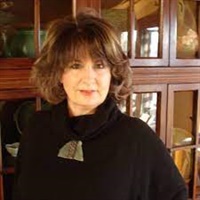
Sandra L. Brown, MA, has worked with narcissistic abuse survivors for over 30 years and is often referred to as the pioneer in the field of pathological love relationships (relationships with partners who have narcissism or psychopathy). Her seminal work and research helped launch the ‘Narcissistic and Psychopathic Abuse’ field. She is an author of hundreds of articles for survivors on narcissistic abuse and her books include the highly popular How to Spot a Dangerous Man Before You Get Involved (Hunter House, 2005), the award-winning Women Who Love Psychopaths: Inside the Relationships of Inevitable Harm With Psychopaths, Sociopaths & Narcissists (Mask Publishing, 2018), as well as the clinically-relevant Counseling Victims of Violence (American Counseling Association, 1991). She is the current president of The Association for NPD/Psychopathy Survivor Treatment, Research & Education, and the CEO of The Institute for Relational Harm Reduction and Public Pathology Education.
Speaker Disclosures:
Financial: Sandra Brown has employment relationships with the Institute for Relational Harm Reduction & Public Pathology Education and the Assn for NPD/Psychopathy Survivor Treatment, Research & Education. She receives royalties as a published author. Sandra Brown receives a speaking honorarium and recording royalties from PESI, Inc. She has no relevant financial relationships with ineligible organizations
Non-financial: Sandra Brown has no relevant non-financial relationships.