You may have trauma clients who are victims of narcissistic abuse without even knowing it.
In a clinical setting, victims of narcissistic abuse can be conditioned to behave a certain way, to show only the good things. They can dissociate to remove themselves from the trauma, and struggle to talk about the abuse in therapy. Some may not even be aware of the abuse, especially if the narcissist is still involved.
If you’re like most clinicians, you only have a surficial understanding of personality disorders and the traumatic harm they can inflict on their partners. Without the proper training you can fail to connect the dots and miss a key component of treatment for these clients.
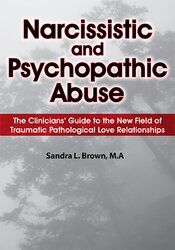
This program will give you the in-depth understanding and clinical tools you need to recognize the signs of abuse from Cluster B disordered partners and discover the keys to treating the survivors!
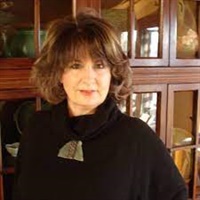
Sandra Brown, M.A., is a pioneer in the field of narcissistic and psychopathic abuse and the current president of The Association for NPD/Psychopathy Survivor Treatment, Research & Education who has worked with and researched narcissistic abuse survivors for over 30 years.
Watch her, along with experts Claudia Paradise, LCSW-R and Bill Brennan, M.Ed., LMHC, CAP, for this one-day seminar as they show you how you can:
- Identify pathological love relationships
- Differentiate PLRs from other stereotypical domestic violence, addictive, co-dependent, or dysfunctional relationships
- Recognize the unique relational dynamics generated from the pathology and the traumatic impact to intimate partners
- Understand why certain survivor personalities seem to be targeted
- Key considerations for treating the traumatic aftermath
Don’t miss this chance to add a new dimension to your trauma treatment toolbox and help survivors of narcissistic abuse find the path to recovery. Purchase today!