

Fahad Aziz, MD, FASN
Toggle speaker biography
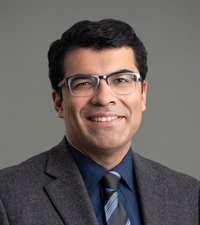
Fahad Aziz, MD, FASN, currently holds the position of associate professor of medicine in the Department of Medicine’s Division of Nephrology at the University of Wisconsin. In this role as a clinical nephrologist, he provides care for patients suffering from a wide variety of kidney diseases and disorders, including organ donors and recipients of kidney transplants. He is certified as a hypertension specialist by the American Society of Hypertension, in addition to holding certifications in the practice of internal medicine and nephrology. Both the American Society of Nephrology and the American Society of Transplantation are organizations that he is a member of. At national medical conferences, as well as meetings of the ASN and AST professional societies, he has presented the results of his clinical research. He has taught nephrology in the classroom to medical students, physician assistant students, and nephrology fellows, and he has also given continuing medical education presentations to clinicians in his role as a medical educator.
Speaker Disclosures:
Financial: Dr. Fahad Aziz has an employment relationship with the University of Wisconsin School of Medicine and Public Health and is the Editor-in-Chief for Wisconsin Medical Journal. He is a NephCue specialist for Wisconsin for Rare Kidney Diseases and has research activity with Sanofi Pharmaceuticals. Dr. Aziz receives a speaking honorarium and recording royalties from PESI, Inc.
Non-financial: Dr. Fahad Aziz is a member of the American College of Physicians, the American Society of Nephrology, and the American Society of Transplantation. He is a board member for the National Kidney Foundation.