We know CBT is effective to help kids manage their anxiety. The problem is, traditional CBT that is talk-focused and workbook-based falls flat.
By integrating therapeutic games, art, stories, and puppets into CBT, you’ll captivate children’s interest, put them at ease, and motivate them to learn and apply core skills.
This one-day event will offer you an opportunity to walk alongside an expert and learn creative play therapy techniques to engage, assess and treat anxious children. You’ll learn to forge a more positive therapeutic experience for kids as they get out from underneath the anxious chatter in their minds.
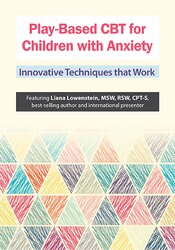
Watch award-winning author and international speaker Liana Lowenstein, as she brings CBT to life through her innovative play therapy approach.
You’ll learn to make CBT engaging through PLAY therapy interventions to:
- Create a safe and trusting therapeutic environment
- Assess anxiety symptoms and its impact on the child
- Provide kid-friendly psychoeducation about anxiety and CBT basics
- Foster treatment readiness and navigate resistance
- Implement developmentally appropriate cognitive restructuring techniques
- Develop gradual exposure plans that fit the child’s needs
- Teach effective relapse prevention skills
Watch the activities come alive through videos of client sessions and activity demonstrations and come ready to play and immerse yourself in hands-on experiential exercises.
Make CBT interventions come alive - Purchase today!