
Barbara Culatta, PhD, CCC-SLP
Toggle speaker biography
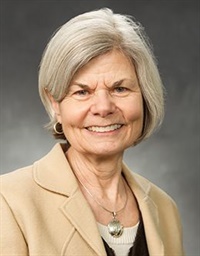
Barbara Culatta, Ph.D., CCC-SLP, is an international expert and author on language and literacy interventions. She has been working with children in clinical and educational programs for 45 years. Dr. Culatta is renowned for creating a highly acclaimed language and literacy program (Systematic and Engaging Early Literacy) that utilizes the arts, representational play, and interactive activities as the basis for teaching language and literacy skills; and she has conducted research on the effectiveness of this program with children with ASD. She is well respected for her work in using scripted play, story enactments, and hands-on experiences as contexts for language and literacy instruction and intervention.
Dr. Culatta has written books (Language and Literacy Instruction in the Classroom and Systematic and Engaging Early Literacy), chapters, and publications on language and literacy instruction and interventions. She has received federally-funded professional development and intervention grants to document the effectiveness of innovative instructional approaches. Dr. Culatta’s research revolves around evaluating playful and personally-meaningful language and literacy interventions. She has conducted evidence-based interventions in English and Spanish-speaking settings that included children with challenging behaviors.
Dr. Culatta, professor emerita of Communication Disorders at Brigham Young University, completed her Ph.D. from the University of Pittsburgh and a postdoctoral fellowship from Johns Hopkins University.
Speaker Disclosures:
Financial: Dr. Barbara Culatta is a published author and receives royalties. She receives a speaking honorarium and recording royalties from PESI, Inc. She has no relevant financial relationships with ineligible organizations.
Non-financial: Dr. Barbara Culatta has no relevant non-financial relationships.