Misread, neglected or abused by the people they most wanted to be loved by – the unseen wounds of childhood relational trauma can fuel the dysfunctional behaviors that undermine your clients’ connection with themselves and others as adults.
But if experiences were central to creating this pain and disconnection, doesn’t it make sense that corrective experiences are the key to healing them? The latest research and leading experts like Bessel van der Kolk say yes.
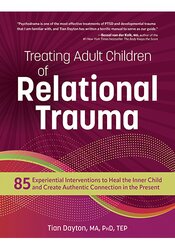
That’s why Dr. Tian Dayton, one of world’s foremost experts on experiential therapy and psychodrama put together this incredible training… so you can create therapeutic experiences that go beyond talking and build momentum for deep change and personal growth.
Under Dr. Dayton’s expert guidance, you’ll learn to harness the power of over a dozen psychodrama and experiential interventions to help clients establish new and healthy ways of thinking, feeling and reacting when childhood relational wounds get triggered in present day relationships.
With easy-to-follow directions you’ll feel ready to use many of these techniques right away to help clients process their painful pasts, connect to the emotions and behaviors attached to them, and gain the insights they need to create new and better solutions for their futures.
Whether you’re seeing clients individually or in a group setting, these interventions will fit seamlessly with your existing approaches as complementary techniques, without the need for you to be a drama expert or “creative type.”
Purchase now!