
Stroke and Aphasia
Breaking Down Barriers to Access Mental Health Services
- Speaker:
- K. Leigh Odom, PhD, CCC-SLP, CDP, CADDCT
- Duration:
- 1 Hour 32 Minutes
- Format:
- Audio and Video
- Copyright:
-
Nov 20, 2020
- Product Code:
- POS064400
- Media Type:
- Digital Seminar - Also available: DVD

Description
Persons with aphasia and other post-stroke impairments often experience diminished quality of life and depression. Unfortunately, there is evidence to suggest that they are not receiving adequate care in these areas.
Speech-language Pathologists have reported that quality of life is seldom assessed in persons with aphasia (PWAs) using valid/reliable measures, and it is not known if or how SLPs are screening for depression.
The training will discuss the utilization of quality of life and depression screening tools for post-stroke patients in conjunction with counseling, strategies for reducing avoidance behaviors, and referral recommendations for the SLP.
Credit
Handouts/Brochure
| File type | File name | Number of pages | |
|---|---|---|---|
| Manual - Stroke and Aphasia (949.4 KB) | 32 Pages | Available after Purchase | |
| Instructions for ASHA credit - Self-Study Only (64.4 KB) | Available after Purchase |
Speaker
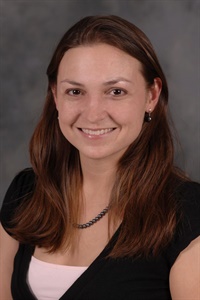
K. Leigh Odom, PhD, CCC-SLP, CDP, CADDCT Related seminars and products
Leigh Odom, PhD, CCC-SLP, CDP, CADDCT, is an associate professor of speech-language pathology at Western Carolina University. She has been practicing as a speech-language pathologist for nearly 15 years almost exclusively with families affected by neurogenic communication disorders. As the lead academic and clinical instructor of neurogenic content in her department, Dr. Odom has been teaching both graduate and undergraduate neurogenic courses since 2008. Dr. Odom is a Certified Dementia Practitioner and a Certified Alzheimer’s Disease and Dementia Care Trainer, frequently collaborating with families and healthcare providers to improve dementia care as a dementia care trainer and support group facilitator. She has published nearly 20 articles in peer-reviewed research journals, and has led numerous trainings at state and national professional conferences. Dr. Odom is a member of the American Speech-Language-Hearing Association, the Academy of Neurologic Communication Disorders and Sciences, and the North Carolina Speech-Hearing-Language Association.
Speaker Disclosures:
Financial: Leigh Odom maintains a private practice. She is an associate professor at Western Carolina University. Dr. Odom receives a speaking honorarium from PESI, Inc. She has no relevant financial relationships with ineligible organizations.
Non-financial: Leigh Odom is a member of the American Speech-Language-Hearing Association; Academy of Neurologic Communication Disorders and Sciences; and the North Carolina Speech-Language Hearing Association.
Additional Info
Access for Self-Study (Non-Interactive)Access never expires for this product.
Questions?
Visit our FAQ page at www.pesi.com/faq or contact us at www.pesi.com/info
Objectives
- Employ quality of life and depression screening tools for post-stroke patients.
- Investigate counseling skills and limitations as they apply to SLPs.
- Evaluate strategies to overcome avoidance behaviors that decrease the likelihood of receiving mental health services in patients with aphasia.
Outline
Impairments Following Stroke: Impact on Quality of Life and Depression
- Stroke aphasia and quality of life
- Stroke aphasia and major depressive disorder
- Internal risk factors of post-stroke depression
Quality of Life and Depression Screening Tools: Purpose, Administration, Scoring and Interpretation
- Stroke and Aphasia Quality of Life Scale-39 Generic
- Geriatric Depression Scale
- Stroke Aphasic Depression Questionnaire
Counseling and Counseling Skills
- Counseling role of the SLP
- Limits of counseling by the rehabilitation professional
- When and how to refer to a behavioral health professional
- Barriers to counseling and possible strategies and solutions
Target Audience
- Speech-Language Pathologists
Reviews
Satisfaction Guarantee
Your satisfaction is our goal and our guarantee. Concerns should be addressed to: PO Box 1000, Eau Claire, WI 54702-1000 or call 1-800-844-8260.
ADA Needs
We would be happy to accommodate your ADA needs; please call our Customer Service Department for more information at 1-800-844-8260.
PESI Mobile App
Access CE trainings on your phone or tablet through our free mobile app. Choose video or audio-only versions of online courses from the world’s best instructors, and complete your CE requirements anywhere, anytime, at your own pace.




Please wait ...