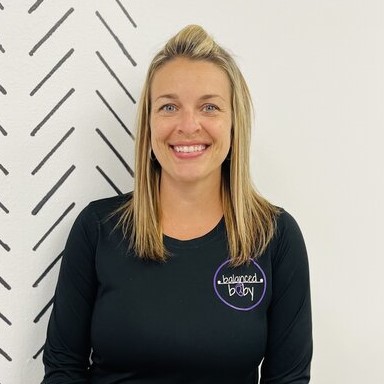
Kristin Horwath, PT, DPT, CNT, NTMTC
Toggle speaker biography
Kristin Horwath, PT, DPT, CNT, NTMTC, is a pediatric physical therapist, certified neonatal therapist, and Neonatal Touch and Massage certified. Kristin has worked in a variety of settings including acute care, outpatient pediatric rehabilitation, and NICU. Kristin’s work in the NICU centered around leading program development on cranial molding, advocating and educating staff on the role of rehab in the NICU from admission to discharge, and collaborating on the development of the chronic BPD unit within the NICU, advocating for the tiniest patients that lived in the NICU for weeks to months. She presented and advocated for developmentally appropriate care in the NICU, involving a multidisciplinary approach and team effort promoting more optimal developmental outcomes. Kristin specializes in treating infants and has a passion for treating babies with a proactive approach, promoting optimal gross motor skills through intentional positioning and handling and prevention and treatment of torticollis, plagiocephaly, and body compensations associated with feeding difficulties.
Speaker Disclosures:
Financial: Kristin Horwath is the co-founder of Balanced Baby. She has intellectual property rights with Honeywell. Kristin Horwath receives a speaking honorarium from PESI, Inc. All relevant financial relationships with ineligible organizations have been mitigated.
Non-financial: Kristin Horwath is a member of the National Association of Neonatal Therapists.