John O'Halloran, PT, DPT, OCS, ATC (retired), CSCS (retired), Cert MDT, Certified SCTM-1 Practitioner
Toggle speaker biography
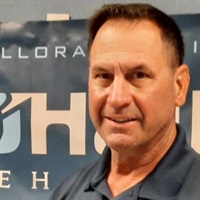
John O’Halloran, PT, DPT, OCS, ATC (retired), CSCS (retired), Cert MDT, Certified SCTM-1 Practitioner, is a board certified orthopedic clinical specialist by the American Physical Therapy Association and has over 30 years of experience in the field of orthopedics. He earned his post-professional Doctor of Physical Therapy from Temple University. Dr. O’Halloran has studied orthopedic and sports therapy abroad in Australia and New Zealand. Dr. Halloran is the sole owner of O’Halloran Rehabilitation, a division of O’Halloran Consulting, LLC. John was born in Boston Massachusetts. He is credentialed with the McKenzie Institute in the mechanical diagnosis and treatment of the spine and has extensive post graduate training in manipulative therapy of the spine and extremities and is a certified SCTM-1 Practitioner and has certificates in SMT-1, SMT-2, and SMT-3 with the American Spinal Manipulative Institute. Dr. O’Halloran is also a certified functional capacity evaluator in the Blankenship Method. He has presented over 1,300 times both locally and internationally on various orthopedic and sports medicine topics.
In 2014, John was the recipient of Clinician of the Year and Excellence in Clinical Practice Award by the North Carolina Physical Therapy Association. Recently, Dr. O’Halloran’s investigational work on the earlier facilitation of gait in the Total Knee Arthroplasty patient has been cited in a peer reviewed journal publication. Dr. O’Halloran was an invited presenter at the 2023 Ortho/Neuro Rehab Summit October 26-29 in Las Vegas, NV and the International Orthopedic Conference January 4, 2024, in Cairo, Egypt.
Speaker Disclosures:
Financial: John O'Halloran is the owner of O’Halloran Consulting LLC and O’Halloran Rehabilitation. He receives compensation as a national speaker and clinical instructor. John O'Halloran receives a speaking honorarium and recording royalties from PESI, Inc. He has no relevant financial relationships with ineligible organizations.
Non-financial: John O'Halloran has no relevant non-financial relationships.