Kristin Valdes, OTD, OT, CHT
Toggle speaker biography
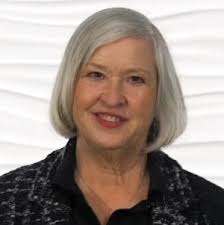
Kristin Valdes, OTD, OT, CHT, is an expert in upper extremity rehabilitation, with over 30 years of experience in private practice helping patients recover lost function and return to the activities they value. A past president of the American Society of Hand Therapists, her clinical expertise spans treatment of the hand, wrist, elbow, and shoulder, as well as arthritis management and orthosis fabrication.
Dr. Valdes travels nationally to present seminars on upper extremity rehabilitation and is known for her engaging, hands-on teaching style. She earned her doctorate in occupational therapy with a specialization in hand rehabilitation from Rocky Mountain University of Health Care Professions in Provo, UT, and she works as a professor at Touro University in Nevada. In addition, she has published a number of peer-reviewed studies, and she received the MacDermid Lifetime Scientific Achievement award for her contributions in research for the advancement of the field of hand therapy.
Speaker Disclosures:
Financial: Kristin Valdes is the owner and founder of Hand Works Therapy and has employment relationships with Touro University, Venice Hospital, and Rehab Works. She receives a speaking honorarium and recording royalties from PESI, Inc. She has no relevant financial relationships with ineligible organizations.
Non-financial: Kristin Valdes is a member of the American Association for Hand Surgery and the American Society of Hand Therapists. She is a peer reviewer and editor for several peer review journals, for a complete list contact PESI, Inc.