Menopause Mastery
Certificate
An Online & Immersive Group Training for Women's Health Clinicians
Everything you've been piecing together from podcasts, conferences, and journals finally lands in one place — a complete framework for confidently treating every perimenopausal and postmenopausal patient on your caseload.




Early Bird · Ends Aug 1 →
Menopause isn't just hot flashes. It's a whole-system MSK event — collagen, tendon, bone, muscle, cartilage, and pelvic floor — and it's reshaping how your 45+ patients respond to everything you prescribe.
Tendons become more reactive. Bone loss accelerates up to 2.5% per year at the lumbar spine. Sarcopenia speeds up, cartilage degrades, and central pain processing shifts. Pelvic floor symptoms she won't mention unless you ask quietly undermine the rehab you can't figure out.
Which is why the rotator cuff won't settle at 12 weeks. Why the Achilles won't respond to your loading protocol. Why the runner stopped running and won't say why.
Your protocols aren't wrong. The physiology underneath them shifted. The clinical reasoning that works for a 38-year-old needs recalibrating for a 52-year-old — and piecing it together from podcasts, conferences, and the occasional journal article isn't getting you there fast enough.
The Menopause Mastery Certificate is 5 months of training built to change how you treat every perimenopausal and postmenopausal patient on your caseload — from recalibrating load and recovery, to programming for bone and muscle, to managing pelvic floor and pain within your scope with clarity and confidence.
You've been sensing this. It's time to know exactly what to do about it.
What if you understood exactly how hormonal shifts impact the tissues and systems you work with every day and finally connect the dots?
✓ Clinical reasoning that goes beyond "it's just arthritis"
Differentiate hormonal, inflammatory, and mechanical contributors to pain and stiffness — so you stop treating every 52-year-old like every 32-year-old.
✓ Loading and recovery, recalibrated
Adjust tendon loading, rehab timelines, and progression criteria for estrogen-depleted tissue — without under-dosing or flaring symptoms.
✓ Bone, muscle, and fall-risk programming that actually drives adaptation
Specific intensity, volume, and frequency parameters for resistance, power, and balance work — not generic "stay active" advice.
✓ Pelvic floor screening and external techniques
Screen for dysfunction, teach breath-and-posture strategies without internal assessment, and know exactly when to refer.
✓ Complex case management
Menopause alongside osteopenia, osteoporosis, chronic pain, and prior injury — without guessing which variable to address first.
✓ Confident conversations every time
Patients will finally feel like someone understands what's happening — and knows how to help them stay active, strong, and moving well.
When You Register, You Get:
One certificate program. Everything you need in one place — no piecing together fragments.
18 Modules. 4 Sections. 5 Live Calls.
August through December 2026
One to three hours per week, on your schedule.
Start with foundations, not fragmented tips.
The curriculum moves from hormones and risk to symptom management, prescribing decisions, and the messy overlap cases that are hardest to treat well.
Learn from multiple lenses.
This is not one presenter trying to cover everything. The program combines prescribing, nutrition, and clinical reasoning so you can stop piecing menopause care together on your own.
Use it immediately in practice.
Each section is designed to give you language, frameworks, and evidence-based next steps you can use with patients while the cohort is still running.
August 8, 2026
The Hormonal Symphony: Understanding Estrogen, Progesterone, and Testosterone in Menopause
- Recognize physiological shifts across perimenopause, menopause, and post-menopause
- Interpret how hormone fluctuations drive the systemic symptoms your patients present with
- Debunk common myths that lead to undertreated or dismissed patients
August 15, 2026
Hormones and Beyond: Addressing Cardiovascular Health & Breast Cancer Risk in Postmenopausal Patients
- Assess cardiovascular risk factors that emerge or accelerate with menopause
- Navigate hormone therapy decisions in patients with cardiac or oncologic histories
- Apply current screening guidelines and risk stratification tools in clinical practice
August 22, 2026
The Gut-Hormone Connection: How the Microbiome Impacts Menopause
- Understand estrobolome function and its role in estrogen metabolism
- Implement gut-supportive interventions that improve hormonal symptom management
- Identify when digestive complaints signal underlying hormonal dysregulation
August 29, 2026
Premature Ovarian Insufficiency (POI) & Early Menopause: New Guidelines & Clinical Implications
- Differentiate POI from early menopause using current IMS, ASRM, and ESHRE criteria
- Manage surgical menopause patients with appropriate urgency and intervention
- Address long-term cardiovascular, bone, and cognitive risks unique to early-onset cases
September 5, 2026
Hot Flashes and Sleepless Nights: Evidence-Based Strategies for Symptom Relief
- Compare first-line interventions for vasomotor symptoms, from lifestyle to pharmacologic
- Prescribe non-hormonal options including fezolinetant for patients who can't use HRT
- Integrate CBT-I and behavioral approaches into treatment plans
September 12, 2026
Mood, Memory, and Menopause: Navigating Cognitive and Emotional Challenges
- Distinguish menopause-related cognitive changes from pathological decline
- Treat anxiety and mood instability with targeted hormonal and non-hormonal strategies
- Counsel patients on what to expect and when to escalate care
September 19, 2026
The Non-Negotiation of Stress Resiliency and Sleep Optimization
- Identify HPA axis dysregulation patterns that sabotage treatment outcomes
- Implement evidence-based nervous system regulation techniques
- Troubleshoot insomnia, fatigue, and cortisol dysfunction with practical protocols
September 26, 2026
Medical Gaslighting and Self-Advocacy in Menopause
- Recognize how dismissive care delays diagnosis and damages patient trust
- Equip patients with communication tools for self-advocacy across healthcare settings
- Create a clinical environment that validates and empowers menopausal patients
October 3, 2026
Co-Existing Conditions in Menopause: Addressing PCOS, Endometriosis, Thyroid & Autoimmune Diseases
- Anticipate how pre-existing conditions evolve and complicate menopause management
- Coordinate care across overlapping hormonal, metabolic, and inflammatory conditions
- Apply case-based decision-making to patients with multiple diagnoses
October 10, 2026
Tailoring Hormone Replacement Therapy: Risk, Benefits, and Patient-Centered Care
- Individualize HRT regimens based on patient risk profile, symptoms, and preferences
- Identify absolute and relative contraindications that change your approach
- Apply current evidence and guidelines to confident prescribing decisions
October 17, 2026
Special Populations in Menopause: Addressing Diversity in Symptoms and Treatment Needs
- Recognize how race, ethnicity, and culture shape menopause experience and care-seeking
- Provide affirming care for transgender and gender-diverse patients
- Adapt treatment approaches for patients with disabilities
October 24, 2026
Nutrition and Supplements for Menopause: What Works, What Doesn't
- Recommend dietary strategies with evidence for hormonal symptom improvement
- Evaluate supplement claims and identify what's worth recommending
- Counter misinformation patients bring from social media and wellness culture
October 31, 2026
The Metabolic Puzzle: Weight Management and Insulin Resistance in Menopause
- Explain the metabolic shifts that make weight management harder after menopause
- Address insulin resistance and inflammation as root causes of stubborn symptoms
- Develop practical, sustainable weight management strategies patients will follow
November 7, 2026
Environmental Toxicity and Its Impact on Hormone Balance, Weight, & Metabolic Function
- Identify how xenoestrogens, plastics, and heavy metals disrupt hormonal health
- Assess patient toxin exposure and prioritize realistic reduction strategies
November 14, 2026
Strength & Stability: Exercise Programming for Bone Health and Muscle Preservation, Part 1
- Apply current evidence on hormonal influences on bone density and sarcopenia
- Design osteoporosis prevention and management protocols
- Prescribe exercise that builds bone without increasing fracture risk
November 21, 2026
Strength & Stability: Exercise Programming for Bone Health and Muscle Preservation, Part 2
- Resistance training and mobility protocols specific to menopause
- Functional movement and fall prevention programming
- Exercise prescriptions scaled across fitness levels
November 28, 2026
The Pelvic Floor Connection: Managing Incontinence, Prolapse, and Sexual Health
- Assess pelvic floor dysfunction presentations common in menopause
- Implement conservative management strategies for incontinence and prolapse
- Address sexual health concerns with clinical confidence and appropriate referrals
December 5, 2026
Combatting Pain and Stiffness: Strategies for Joint Health and Overall Mobility
- Connect hormonal changes to the joint pain and stiffness patients report
- Develop targeted mobility interventions that address root causes
- Integrate movement strategies with broader menopause treatment plans
Learn from Clinicians Who've Mastered What You're Building
Four practitioners who have spent their careers in the gaps menopause creates.
Functional medicine nurse practitioner specializing in hormone imbalances, menopause, autoimmune disorders, and the root causes conventional medicine often misses.
Click here for information about Deidre Arms
Board-certified integrative and functional nutrition practitioner with 30+ years of clinical experience in perimenopause, menopause, thyroid dysfunction, and cardiometabolic health.
Click here for information about Cindi Lockhart
Fellow of the Canadian Academy of Manipulative Physical Therapists and pelvic health specialist with 10+ years helping women navigate pregnancy, menopause, and musculoskeletal dysfunction.
Click here for information about Elizabeth Frey
Family nurse practitioner and women's health specialist with expertise in PCOS, endometriosis, and the hormonal conditions that complicate menopause management.
Click here for information about Tara Harding
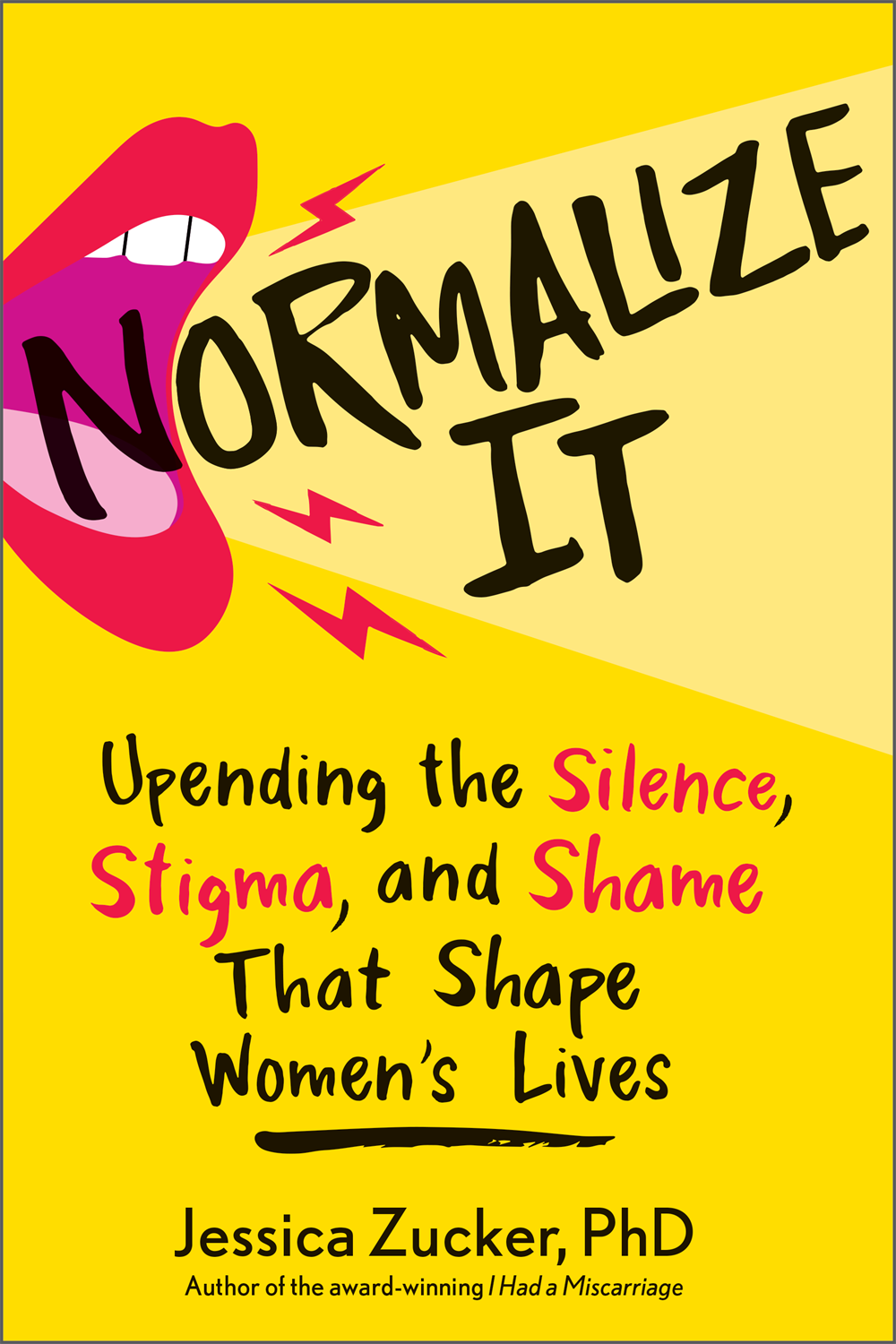
This isn't a textbook. It's the book your patients need you to understand — a raw, unflinching look at the shame and silence women carry around their bodies, their losses, and yes, their menopause. Because the best providers don't just treat symptoms. They get it.
You Shouldn't Have to Wing This.
Become the Provider Patients Refer Their Friends To
When you can confidently manage menopause, word travels fast.
Frequently Asked Questions
That multidisciplinary perspective? It makes you a better clinician.
Love It or Your
Money Back — Guaranteed.
We stand behind every PESI training with a simple, no-questions-asked promise: if you're not completely satisfied with the quality of content and expert instruction, we'll refund your registration in full
We've trained over 10 million healthcare professionals because we hold ourselves to the highest standard of clinical education. This certificate program is no different.
Questions? Call 800-844-8260