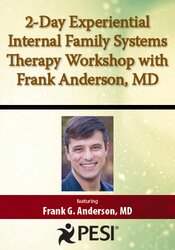
This unique training by expert clinician, IFS therapist, and author Frank Anderson, MD, will give you a deep dive into the theory, principles and practical applications of one of the most cutting-edge models in psychotherapy.
Learn and practice the steps of IFS therapy and begin treating anxiety, depression, addiction, trauma and childhood attachment wounds in ways you didn’t think possible.
You’ll be able to leave this intensive workshop with theory, skills, and practice allowing you to begin to use IFS therapy immediately with clients.
This immersive workshop will allow you to get to know yourself and your internal system better. It will help you better understand your triggers and begin to clear the blockages that get in the way with your most challenging clients.
After completing this workshop, you will be able to help your clients:
- Minimize their symptom, overwhelming feelings, and challenging behaviours.
- Have less inner conflict and develop a better relationship with their internal system.
- Have a greater More understanding of the origins of trauma, anxiety and other issues.
- Be more self-accepting and emotionally aware.
- Better able to build healthy relationships in their lives.
As a clinician, you’ll feel:
- More comfortable in your ability to treat a wider range of clinical diagnoses.
- Less overwhelmed in your clinical practice even with your more challenging clients.
- More hopeful for your clients and their clinical outcomes.
- More relaxed, comfortable, and confident at work.
This product is not endorsed by, sponsored by, or affiliated with the IFS Institute and does not qualify for IFS Institute credits or certification.