- A fresh lens on behavior
- 20+ concrete, ready-to-use strategies
- Tools to advocate, explain, and collaborate
Meltdowns, shutdowns, resistance, and “defiance” often mask what’s really happening in the brain – executive function overload.
For kids with ADHD or Autism, their ability to plan, shift, and self-regulate collapses under stress, leaving adults unsure how to help.
This training bridges neuroscience and practice to give you concrete tools that promote emotional regulation, flexible thinking, and engagement – without relying on compliance charts or behavioral control.
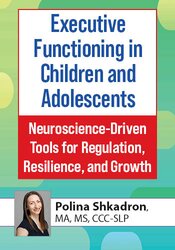
Through real-world examples, clinical demonstrations, and interactive activities, Polina Shkadron will share strategies that build executive skills through language, movement, and emotional safety.
You’ll walk away with:
- Sensory-motor and visual supports to strengthen working memory, inhibition, and cognitive flexibility
- Movement-based transition tools that prevent overwhelm and reduce resistance
- Scripts and coaching prompts for caregivers and teachers to foster collaboration instead of control
- Play-based activities that link self-awareness, planning, and emotional regulation
- Templates for individualized executive function plans you can use immediately
Purchase now to discover how to use sensory anchors, regulation routines, and context-based supports that empower kids to access calm, connection, and competence across home, school, and therapy settings.