The nervous system. It is the most powerful and transformative tool we have to help people heal from trauma and reach their highest level of performance.
But did you know that, depending on the neurological inputs, we can positively (or negatively) influence the direction of neuroplastic change?
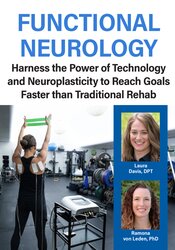
Watch neurology experts, Ramona von Leden, PhD and Laura Davis, DPT, to explore how you can move past plateaus and regain function with chronic neurological conditions using today’s latest technology in electrical stimulation.
- Precisely identify overactive or underactive brain areas
- Engage the nervous system with specific functional movements to get patients stronger, faster
- Improve outcomes at every stage of rehab and fitness
Neuroplastic change does take time, but when you incorporate the nervous system alongside functional movement techniques, you can help patients achieve their functional goals much quicker than in traditional rehab! Take the first step in enhancing recovery, boosting performance, and optimizing health as you learn about this novel approach that is changing the way we approach neuroplasticity.
Relieve pain – Increase ROM – Heal Faster – Increase blood flow – Prevent atrophy – Decrease spasms