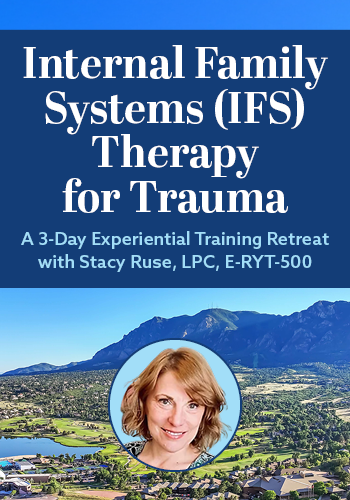
This immersive retreat-style training offers a heart-centered approach for clinicians to learn and embody Internal Family Systems (IFS) therapies, empowering techniques within a safe, supportive, and experiential environment.
Through a blend of teaching, demo, guided practices, and experiential exercises, you will explore the flow of the IFS model, including Self-energy, working with the protective system, polarizations, and the unburdening process. Teachings are rooted in evidence-based, trauma-informed foundations, while also honoring the integrative spirit of IFS, incorporating neuroscience, somatic awareness, spirituality, inclusivity, and energy-based practices.
Whether this is your first introduction to IFS or a meaningful refresher, you will gain tools and insights that you can immediately integrate into your practice. This retreat is designed to be both educational and restorative, supporting your professional development while also deepening your personal connection to Self.
IFS therapy is proven effective in enhancing emotional regulation, improving well-being, and healing trauma. It also shows strong promise for addressing anxiety, depression, phobias, panic, eating disorders, addictions, chronic pain, and more.
This product is not endorsed by, sponsored by, or affiliated with the IFS Institute and does not qualify for IFS Institute credits or certification.