You’ve tried it all –
- Behavior charts
- Token economies
- Time-outs and time-ins
- Positive reinforcement
- Sensory supports
- Ignoring the behavior
- Even restructuring the entire environment –
And yet, the same struggles persist – aggression, shutdowns, mood swings, and more.
It can leave even the most dedicated therapists wondering – What am I missing?
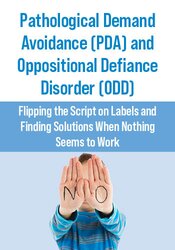
For decades, diagnoses like Oppositional Defiant Disorder (ODD) and, more recently, Pathological Demand Avoidance (PDA) were viewed as signs of willful defiance, manipulation, or poor parenting but emerging research tells a different story.
Dr. Amy Marschall, clinical psychologist and neurodiversity expert, offers a paradigm shift, reframing these labels and the resulting behaviors as survival strategies rooted in trauma, neurodivergence, and developmental delay – less about “bad behavior” and more about a neurological mismatch.
- Learn the root causes of ODD, PDA, IED, and more – so you can address the underlying issues, not just the symptoms
- Use trauma-informed, neurodiversity-affirming assessments to decode behavior and uncover unmet needs
- Apply tools that build trust, co-regulation, and emotional resilience in autistic children, kids with ADHD, PTSD, and more
- Replace meltdowns, shutdowns, and aggression with interventions that promote felt safety and emotional regulation
- Empower parents and educators to support regulation and healing in any setting
You’ll also learn to challenge outdated myths and labels, and support clients through insight, not control.
Purchase today and become the therapist who truly sees – and supports – the children who need it most.