- Assess risk faster with tools that actually work
- Get at the pain kids can’t verbalize – through connection and play
- Navigate AI’s impact on youth suicide with clarity
- Build step-by-step safety plans families can trust
The world your young clients live in is changing faster than ever – and so are the risks.
The challenge? The warning signs of suicidality aren’t always obvious. Frequently concealed behind screens, veiled by carefully selected posts, and entwined in AI digital relationships that seem genuine but lack authenticity.
But if you’re like most therapists, you were never trained for this new reality.
That’s why you need this all-new training.
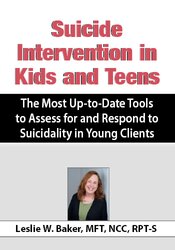
You’ll join expert Leslie W. Baker, co-author of Suicidality & Traumatic Grief and Loss in Children and Teens.
In just 6 hours, she will give you a clear, actionable toolkit full of best practices and the latest research …
… So you can confidently assess, intervene, and protect young lives when it matters most.
You’ll leave with:
- Proven assessment tools that go beyond outdated checklists and spot warning signs fast
- Relational strategies that reveal hidden risk when children struggle to verbalize pain
- In-depth knowledge of AI and its risks and benefits for suicide in young clients
- Play-based interventions that build trust fast and meet kids where they are
- Scripts to communicate with caregivers with competence
- Step-by-step safety planning that empowers families and restores hope
Don’t get caught off guard. Get the tools you need to assess and prevent suicide – with confidence.
Purchase today!