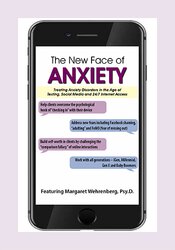
Texting rather than talking. Gathering “likes” and followers. Making friends via a gaming console. Unrelenting 24/7 news cycles. Ready or not, the rise of social media, and 24/7 Internet access has changed the way we relate to one another (and ourselves), leaving in its wake a whole new set of challenges for those who use it.
As therapists, you see people of all ages with these issues:
The girl who can’t put her phone away during session. The boy who isn’t sleeping after reading messages on social media. “Friends” of all ages who shame each other for life choices and argue by text. The socially anxious young adult who struggles to meet people in person because all of his “friends” are online. The parent who has to contend with “Facebook shaming” for every parenting decision. The older adult who feels out of touch and disconnected. The impact is rampant and pervasive – as a result, treatment of anxiety doesn’t look the same anymore.
Watch this unique and engaging seminar to learn innovative ways to treat this new facet of anxiety with today’s client. You’ll discover:
- Key questions to ask at assessment to uncover problematic use of technology
- How excessive screen time affects mood, anxiety and self-worth in clients of all ages
- Tools to help clients regulate their emotions and make wise decisions (on and offline)
- Innovative techniques for promoting healthy use of technology with clients
- Deliberate strategies for managing time, device use and “information overload”
Purchase today!